Black Sea Dolphins Face Extinction as War Pollution Reaches Tipping Point
In the embattled harbours of Odesa, a scientific vessel named the Boris Alexander lists in its mooring, damaged by Russian drones and shelling that have struck the port city throughout four years of conflict in Ukraine. The vessel remains unexamined because venturing out is too perilous, mirroring the broader inability to fully monitor the catastrophic environmental damage inflicted upon the Black Sea by the ongoing war.
"We can only wait," states Dr. Jaroslav Slobodnik, director of the Environmental Institute, based in the Slovak Republic. "The biodiversity landscape is completely altered. A number of species seem to have disappeared, but we need more data. Data which the war makes it impossible to collect."
Dolphin Deaths as Ecological Sentinels
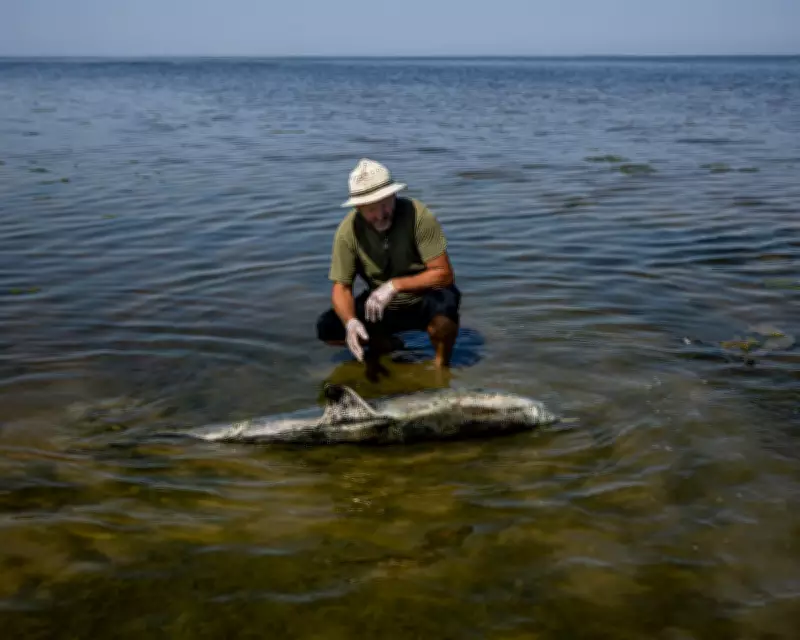
Before the conflict, three distinct species of dolphins inhabited the Black Sea. Since the Russian invasion began, their poisoned carcasses have been washing up regularly along Ukraine's extensive 1,729-mile coastline. Scientists documented approximately 125 dead dolphins in the first year of the invasion, with a further 49 bodies recorded last year, though these counts are likely underestimates.

Aside from direct casualties, the war has introduced multiple threats. Oil spills from sunken and damaged vessels, munitions contamination, and acoustic disturbance from intensive military sonar use—particularly around the Kerch Bridge and Russian-controlled zones—are critical dangers. This sonar is believed to cause strandings and fatalities among cetaceans.
"The dolphins are the sentinels of the ecology of the sea, because they are at the top of the food chain," explains Slobodnik. The cumulative impact of thousands of bombs, widespread oil leaks, and numerous ship sinkings remains largely unquantified. "All we can say is that the Black Sea is at a tipping point, perhaps past it, because of this war."
The Kakhovka Dam Disaster and a 'Toxic Punch'
Nearly three years have passed since the catastrophic collapse of the Kakhovka dam in June 2023, an event widely attributed to Russian sabotage. The disaster resulted in dozens of human fatalities and flooded approximately 230 square miles of land. It also discharged significant pollutants, heavy metals, toxic waste, and rotting animal carcasses from the Dnipro River into the Black Sea, contaminating the river delta's sediment.
Slobodnik describes this event as "a toxic punch to the face of the Black Sea." Prior to the 2022 invasion, Ukraine had been making substantial progress toward EU environmental standards, investing tens of thousands of euros to improve water purity and biodiversity. In 2020, officials had even declared the Black Sea was "alive" again after decades of pollution from industrial chemicals and agricultural pesticides.
"It is such a unique ecosystem. I have spent most of my life watching life come back to the Black Sea, pollution reducing, the Danube getting better, so the Black Sea gets better. It is my sea. And now this war," laments Slobodnik. "We believe the ecology has been radically changed and damaged."
Satellite Imagery Reveals Hidden Damage
Satellite monitoring provides some insight into the devastation. Images show dozens of Russian vessels anchored off the occupied eastern shores and Crimean peninsula, part of a so-called shadow fleet. Viktor Komorin, a marine scientist at the Ukrainian Scientific Centre of Ecology of the Sea (UkrSCES), notes visible oil spills from ship sinkings and collisions, particularly near Snake Island.
"We can only monitor the multiple pollutants—very aggressive and very toxic," says Komorin, who has participated in numerous scientific expeditions. He emphasizes the sea's inherent vulnerability: 82% of its volume consists of hydrogen sulphide, where only bacteria can survive, with only a thin surface layer being oxygenated water. This unique ecosystem was already under pressure from climate change and organic pollution before the war.

Komorin expresses desperation to assess the full impact but acknowledges the extreme risks. The damaged research ship Boris Alexander would be hazardous to deploy even if seaworthy, given the prevalence of mines, rockets, drones, and other explosives in the waters.
Building a Database Amidst Conflict
Despite the challenges, scientists persevere. Komorin's institute in Odesa is compiling a unique database of environmental DNA extracted from the stomachs of dead dolphins, while also sampling oils and pollutants along the coastline. This work continues with a reduced team, as many male staff have joined the military and female colleagues with children have relocated abroad.
Komorin holds a fragile hope for dolphin population rehabilitation after the war concludes. "We trust they will return after the war," he says of his displaced colleagues. For now, the scientific community monitors, worries, and waits, unable to fully grasp the scale of an ecological catastrophe unfolding in the shadow of conflict.