Wildlife experts are urging UK households to switch off outdoor Christmas lights by 9pm this festive season to protect garden birds from a disruptive 'false dawn' effect.
Bright artificial lights can confuse a bird's internal clock, interrupting sleep and extending feeding times late into the night. This can dangerously deplete the energy reserves birds need to survive winter.
Energy drain for small birds
Lucy Taylor, a wildlife expert at Vine House Farm, explained the risks. "If a bird tries to feed in the dark during winter, flying around to forage burns vital calories that they cannot easily replace. Smaller birds risk burning through the crucial fat deposits they need to survive freezing nights."
She added that nighttime is when natural predators are most active, and because most daytime birds have poor night vision, being awake leaves them far more vulnerable.
Three simple adjustments
Taylor recommends three adjustments to keep birds safe without sacrificing festive displays: place lights on a timer, switch to warm-toned bulbs, and leave roosting spots dark.
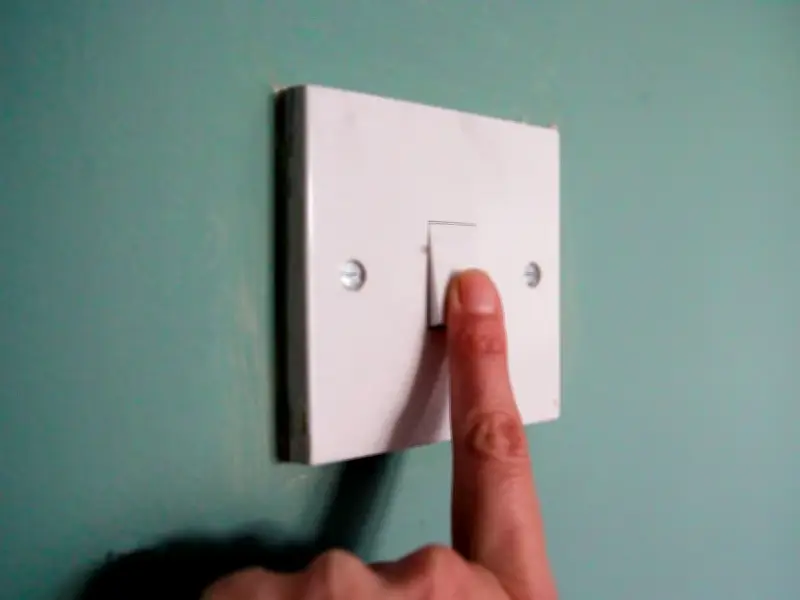
She suggests setting outdoor displays to turn off at 9pm and stay off until 6am. She also advises opting for warm-coloured, low-intensity bulbs, such as yellow or orange-hued options, which are far less disorienting to birds. Cool-toned LEDs, such as blue or bright white lights, emit short wavelengths that heavily disrupt birds' biological clocks.
Taylor also urges people to avoid wrapping lights around trees, hedges or bushes where birds normally shelter, ensuring they remain a safe, dark refuge at night.
Signs to watch for
"Common garden species like robins and blackbirds are particularly sensitive to artificial light," Taylor said. "If you hear them singing or notice them foraging before sunrise, check that your lights aren't being left on overnight."
If lights do stay on later than recommended, she advises replenishing bird feeders first thing in the morning with high-energy foods like suet pellets or sunflower hearts to help birds recover.