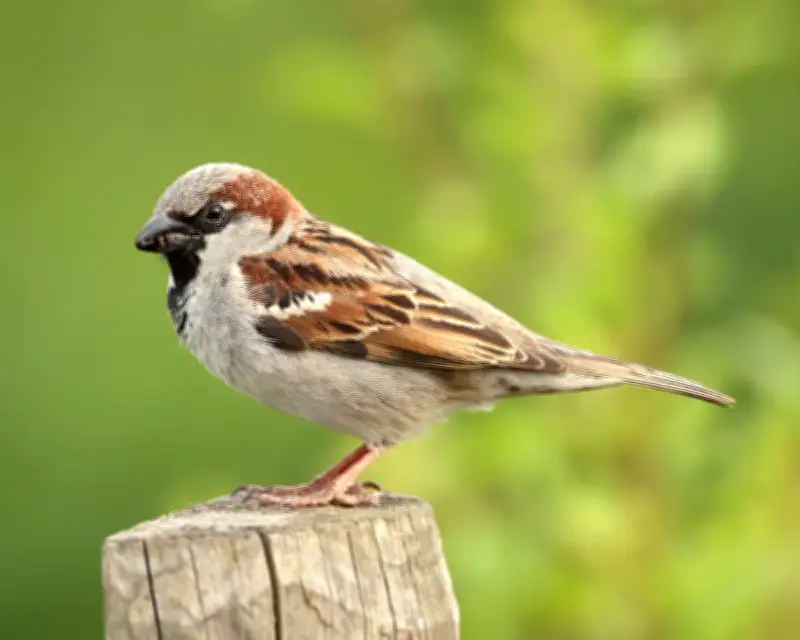
On a warm October evening in Spain, the highlight of a trip was not the exotic hoopoes or ring-necked parakeets, but the sound of hundreds of house sparrows gathering to roost. This tuneless yet charming chorus reminded a traveller of a childhood memory from more than 50 years ago.
An Unexpected Sound
As dusk fell, a strange, high-pitched sizzling noise became apparent. From a table outside a busy bar, where Spaniards were celebrating their national holiday, it sounded like water carelessly tossed into a scorching frying pan.
Approaching a bougainvillea bush with rich purple flowers, the collective clamour separated into distinct notes. It was the sound of hundreds, perhaps thousands, of house sparrows, each bird calling frantically to companions as they gathered to roost for the night.
A Trip Down Memory Lane
The traveller and Suzanne were celebrating their silver wedding anniversary in the town square of Sanlúcar de Barrameda in south-west Spain. This is where Ferdinand Magellan and his fleet set sail in 1519 on a voyage that became the first circumnavigation of the world.
Throughout travels in Andalucía, more exotic species had been seen, including lesser kestrels perching on the Giralda in Seville, hoopoes poking their bills into turf at a local park, and ring-necked parakeets flying across the sky.
A Memorable Highlight
For the traveller, the evening chorus of sparrows was the birding highlight of the trip, taking them back to a suburban childhood when they last encountered house sparrows in such vast and noisy numbers.