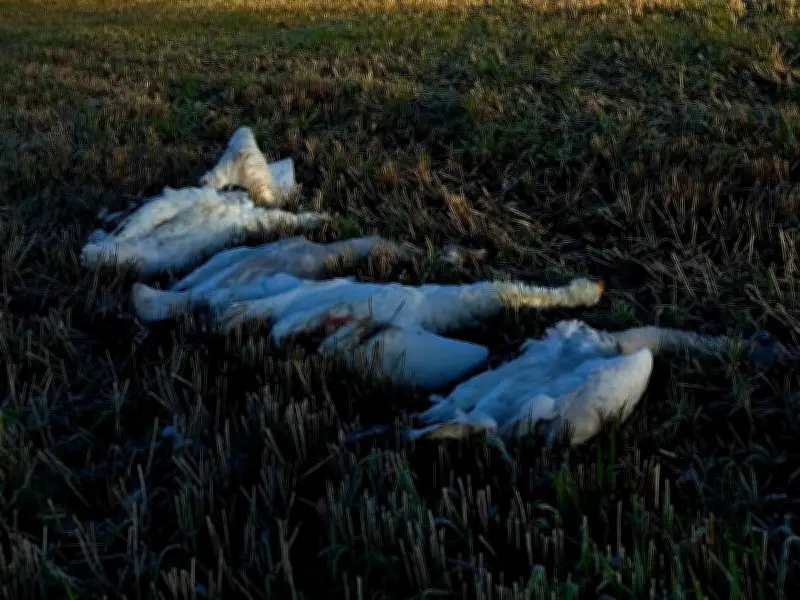
Six whooper swans died after colliding with overhead power lines next to the River Deveron, just north of Turriff, in Aberdeenshire on Sunday morning. Five of the birds, including two cygnets, were already dead when help arrived, and the sixth was so badly injured that it had to be put down.
Incident discovered by resident
A resident found the birds after losing power in his home and going to investigate. He discovered that the swans had struck the lines. The casualties comprised four adults and two juveniles.
New Arc Wildlife Rescue, based in Ellon, shared the news on social media and noted that the whooper swan is an amber-listed species of conservation concern, making the incident "particularly unfortunate".
Rescue centre response
A spokesperson for the rescue centre said: "We were called to a very sad scene following reports that six Whooper Swans had collided with overhead power lines adjacent to the River Deveron. The finder noted a loss of power to his property as the birds struck the lines. The casualties comprised four adults and two juveniles. Sadly, five were already deceased when we arrived, and the sixth was so severely injured that euthanasia was the only humane option."
The spokesperson added: "Swans and other large waterbirds can be particularly vulnerable to collisions with overhead power lines. Their large body size, flight characteristics and relatively limited ability to manoeuvre quickly can make avoiding obstacles difficult. Power lines can be extremely difficult for birds to detect, particularly when viewed against certain backgrounds or in poor light conditions. Unlike some obstacles, thin overhead wires may offer little visual warning until it is too late to avoid them."
Reporting and mitigation
The centre said it attends several incidents every year involving swans, geese and gulls injured or killed following collisions with overhead power lines. It noted that incidents are often preventable and that appropriate mitigation, such as the installation of bird diverters, can help make power lines more visible to birds and reduce collision risks.
The centre has reported the incident to NatureScot and the Scottish and Southern Electricity Networks to discuss what mitigation measures might be possible at this location.
The centre also advised that anyone finding a live bird beneath power lines should contact their nearest licensed wildlife rescue centre, such as New Arc Wildlife Rescue. It said deceased birds beneath or close to overhead power lines should be reported to both SSEN and NatureScot, adding: "Reporting these incidents helps build a picture of where collisions are occurring and provides important evidence to support the introduction of mitigation measures and prevent further wildlife casualties."