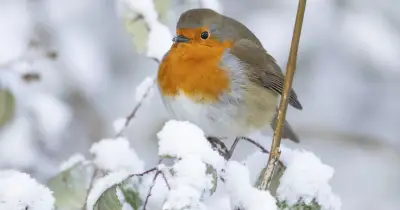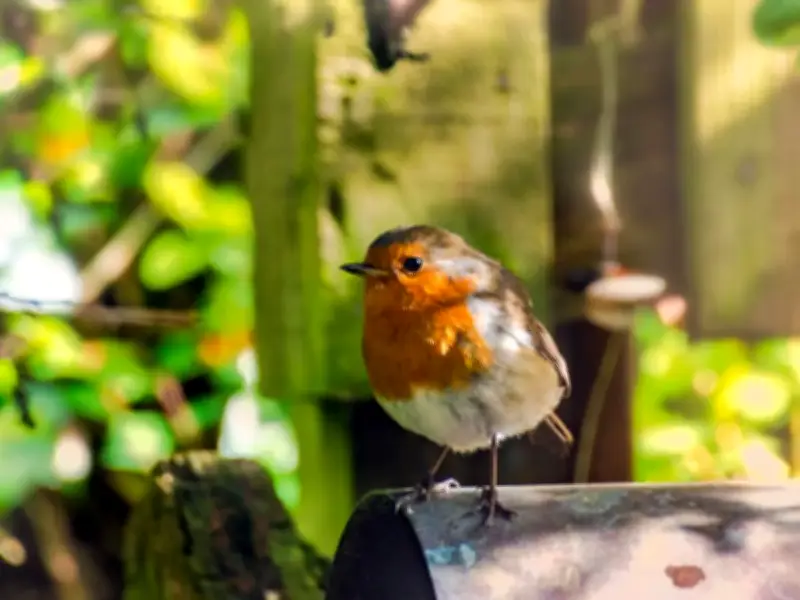
UK households are being encouraged to support robins in their gardens during autumn and winter through six practical steps, as colder weather makes it harder for the birds to find food and water.
At this time of year, robins from Europe migrate to the UK, leading to more sightings in gardens. However, the drop in temperature means robins begin losing fat reserves and have reduced access to natural food sources and water.
Robins face challenges including habitat loss, declining insect populations and harsher winters, prompting the team at TDP.co.uk to share advice on how homeowners can help these birds survive the colder months.
Providing High-Energy Food
Natural food sources such as insects and worms become harder to find at this time of year, so households are encouraged to offer high-energy foods like suet, seeds and suitable nuts. These give robins the extra nourishment they need to build and replenish their fat reserves.
“Robins are beautiful and unlike a lot of other birds, they remain active in gardens throughout the winter but this is also a tough time of year for them,” said Kym Barlow from TDP.co.uk.
“Food is vital as it helps them build up fat reserves, stay warm and survive the winter. As a lot of their natural food sources become harder to find, they’ll really appreciate extra help from people who leave out food and water.
“Robins are ground feeders which means they’re likely to struggle with traditional hanging feeders designed for smaller birds. If you can, consider installing a flat bird feeder or providing their food on the ground in a safe and sheltered area.”
Six Ways to Help Robins
The advice from TDP.co.uk includes six specific actions households can take:
- Put out mealworms – As temperatures fall, insects and other natural foods become harder to find. Mealworms are a fantastic source of protein for robins, so offering small amounts is worthwhile.
- Install a bird feeder with a flat surface – Robins may struggle to use standard, swinging bird feeders as they are natural ground feeders. A flat bird feeding platform allows them to land comfortably and pick up food easily.
- Leave fresh water daily – Water can be scarce for robins at this time of year due to freezing temperatures. A shallow bird bath where they can drink and bathe is appreciated, and it should be replaced daily to avoid the spread of disease.
- Leave a patch of bare soil – Robins forage in flowerbeds for worms and insects brought closer to the surface. Leaving a patch of accessible soil in the garden allows them to search for insects and maintain a natural diet.
- Leave parts of the garden wild – If the garden is regularly tidied, leaving one corner untouched lets robins forage for worms and insects.
- Help them build fat reserves – Building fat reserves is key for robins to maintain energy levels and stay warm through the winter. Offering high-energy foods such as suet, nuts and seeds supports this.