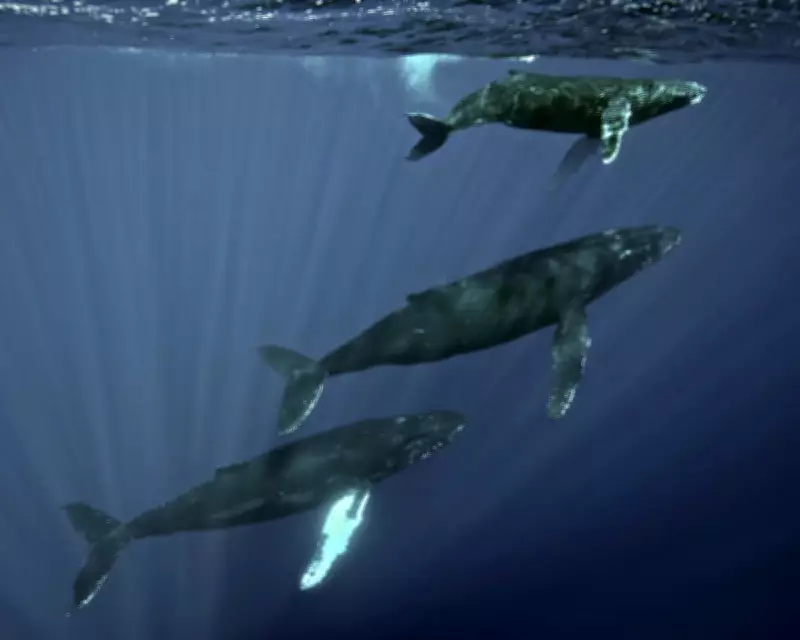
If you stand on certain shorelines and listen carefully, you might just hear deep rumbling noises. Sharp-eared fishers, lighthouse keepers, and sea kayakers have been haunted by these late-night sounds for centuries. Now, for the first time, scientists have recorded these thrums and pinpointed them to humpback whales, proving that whales have a far larger vocabulary than previously thought.
New Research Unveils Whale Sounds
Fred Sharpe from the Alaska Whale Foundation and his colleagues set up land-based microphones to tune in to the mysterious ocean noises. Tip-offs from Alaskan coastal communities helped narrow down the best recording locations. Along with the previously documented trumpets, blows, and shrieks that humpback whales make, the researchers recorded very low frequency rumbles, a bit like distant thunder, and new sounds including pizzle, howl, and hooting noises. The night thrums travelled through the air and could be heard up to 6 miles (10 km) away.
Implications for Whale Conservation and Beyond
Sharpe, who presented his findings at the Astrobiology Science Conference in Madison, Wisconsin, on 18 May, postulates that the thrums may emanate from special structures in the whale’s blowhole, which prevent water from entering when they dive. Understanding these sounds could help prevent whales from being hit by ships. They could also help inform how we overcome perceptual biases and design systems to search for intelligent extraterrestrial life.

This discovery not only expands our knowledge of whale communication but also opens new avenues for protecting these majestic creatures and exploring the cosmos.