The RSPCA has warned that it is an offence to intentionally kill, injure or take wild birds, or to take or destroy their eggs, as it urged people to use humane methods to keep seagulls out of their gardens.
Seagulls are highly adaptable and naturally drawn to places where food is easy to find, which can make gardens an attractive target. Dr Rebecca Machin, wildlife expert with the charity, said: "Gulls are incredibly adaptable birds and are naturally attracted to places where food is easy to find."
She added: "While you may not be able to stop gulls flying over your garden, you can make your garden less appealing as a feeding spot."
Legal protections for gulls
Dr Machin reminded garden owners that gulls are wild animals protected by law. She said: "It's worth remembering that gulls are wild animals simply trying to find food and raise their young. It is an offence to intentionally kill, injure or take wild birds, or to take or destroy their eggs, and there are protections around their nest."
She stressed that any deterrents must be humane and must not harm or interfere with gulls, their nests, eggs, or young.
Practical steps to deter gulls
To make a garden less inviting to gulls, the animal expert suggested several practical measures, including keeping household waste securely covered, ensuring bins have tightly fitting lids, clearing away food scraps and fallen fruit, and avoiding leaving food out where gulls can access it. For those who feed other garden birds, she advised using suitable feeders and cleaning up any spilled food.
Gulls have a varied diet and will eat fish, molluscs and invertebrates, as well as discarded human food.
Common gull species
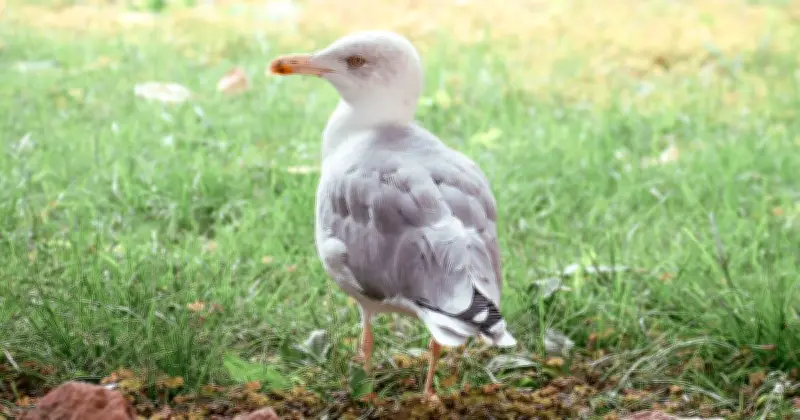
Although often referred to as seagulls, several gull species may be seen in gardens. These include the herring gull, which has pale grey wings and pink legs, a white head in summer and dark streaks in winter; the lesser black-backed gull, with darker grey wings, black wingtips and yellow legs; and the great black-backed gull, the largest species, which has black wings and pale pink legs.