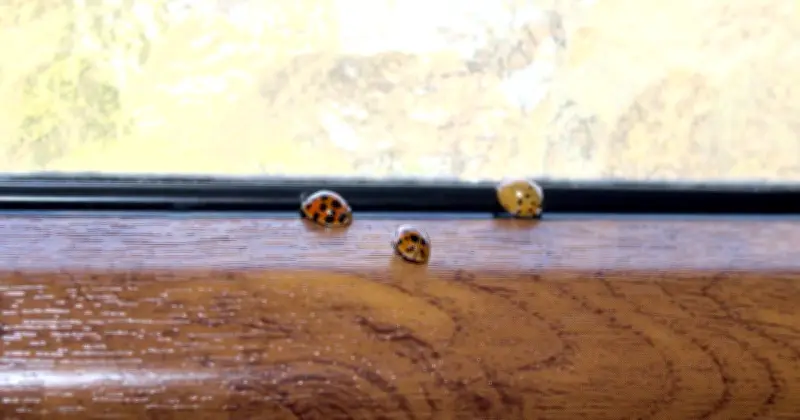
Spraying white vinegar on windows and frames is a simple, natural method to deter ladybirds from entering homes during autumn, as the strong scent disrupts their pheromone trails, according to cleaning and pest experts.
Ladybirds become more frequent in homes during the autumn and winter months as they look to overwinter, seeking a warm, dry place to hibernate through the cold. Cleaning fan and social media creator Lily recently shared the simple deterrent method she uses to keep them at bay.
In the video, Lily said: "Every single year we have an infestation of ladybirds, and they tend to get into any nook and cranny around my windows, including the air vents. And this is what I do to keep them away."
How to deter ladybirds
When Lily tries to deter ladybirds, she uses the cupboard staple, white vinegar. Simply pour the vinegar into a spray bottle and mist the windows and their frames. Use a microfibre cloth to wipe away any excess liquid while also spreading the vinegar over the window frames. Lily said ladybirds "can't stand" the smell of vinegar.
If you don't have white vinegar, you can also use apple cider vinegar in its place. You can add a few drops of apple cider vinegar to a spray bottle with water. You can use the same process by misting the solution around the windows.
The science behind vinegar's effect
Vinegar repels and deters ladybirds by neutralising their pheromone trails and overwhelming their sensitive sense of smell with a strong, acidic odour. When ladybirds find shelter, they release pheromones to attract other ladybirds to their location, explained House Digest. Vinegar's strong odour disrupts those trails, meaning it'll deter other ladybirds from congregating inside the home.
If you're worried that the vinegar's odour will linger, you can leave a bowl of baking soda near where you have sprayed the solution.
Additional prevention methods
House Digest explained that there are a number of other steps you can take to prevent ladybirds from coming back. These include sealing entry points to the property and removing any food or water sources in kitchens that attract insects. They further explained that removing food and water sources from the kitchen and other areas of your home can help keep ladybugs away.
Ladybugs eat pollen and pests such as aphids, scale insects, and mealybugs, so they can be helpful for houseplants. If you'd rather not have them around, avoid plants they're attracted to, such as fennel, dill, and yarrow.
Pest prevention expert Chris Hutton, owner of Adams Selfstore, also recommended placing fruit peels near entry points in your home. You can use either orange or lemon peel. "Ladybirds hate the strong smell of citrus," said Chris. "Placing fresh peels near windows and doors will deter ladybirds from entering and avoid any food waste or the use of harmful chemicals."
Just place fresh citrus peels and leave them by entry points like window sills, doorways, air vents, and attic spaces. Replace the peels every couple of days to maintain the scent and effectiveness. The smell repels ladybirds naturally, without harming them or the environment.