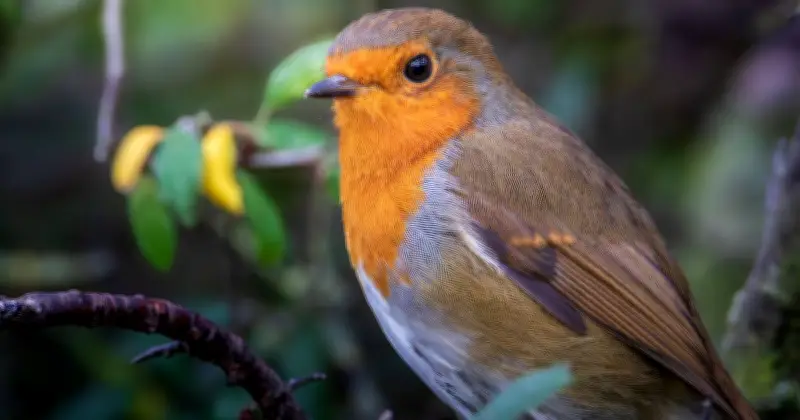
Robins will keep returning to gardens in October if they are fed mealworms, a food they "absolutely love," according to SongBird Survival CEO Sue Morgan. The advice comes as the RSPB urges continued feeding of high-energy, high-fat foods during colder weather.
October can feel surprisingly quiet in gardens across the UK as birdsong fades considerably. As spring and summer's vibrant colours give way to autumn's softer palette, many bird enthusiasts find themselves missing those familiar sounds. The once-lively dawn chorus has fallen nearly silent, leading many to ask, "Where did all the birds go?"
The question comes up often at this time of year, and many assume the birds have all left for warmer destinations. While some have migrated, many others grow quieter and more reclusive as natural behaviours and seasonal changes take effect.
Feeding Advice for Autumn and Winter
The RSPB advises continuing to supply bird food and water "on a regular basis" throughout the autumn and winter periods. They especially emphasise one particular type of food: "Birds need high-energy, high-fat foods during cold weather."
Energy-dense and high-fat foods that birds typically prefer include suet, peanuts, sunflower seeds, and mealworms. "Mealworms are a key for robins, they absolutely love them," says Sue Morgan, CEO of SongBird Survival. "But I think if you went with sunflower hearts and mealworms... robins would really like those."
When providing food for garden birds, there are important considerations to keep in mind, particularly regarding cleanliness and disease control: "Always adjust the quantity given to the demand, and never allow uneaten foods to build up," the RSPB advises.
Why Birds Go Quiet in October
After the breeding season, adult birds are depleted. Their plumage, essential for both flight and insulation, is thoroughly worn and deteriorated. To ready themselves for the demanding autumn and winter ahead, birds undergo a complete moult—an exceptionally energy-intensive process that leaves them more vulnerable and less willing to emerge.
"Moulting is a physically demanding time for birds," the RSPB explains. "They need to conserve energy, so they become much quieter and spend more time hidden amongst vegetation, making them less conspicuous."
As for sustenance, nature's pantry is brimming. Throughout spring and summer, birds congregate at feeders as natural food can be limited, and they require urgent energy to feed their young. Come September and October, however, there's a wealth of natural food readily accessible. Berries are ready to be picked, plants are abundant with seeds, and insects are plentiful.
Supporting Birds Through the Season
"Wild food sources like berries, nuts, and fallen fruits are at their peak in autumn," notes the British Trust for Ornithology (BTO). "Meaning birds don't have to rely as heavily on supplementary feeding."
The young birds that hatched in spring are now spreading their wings. Having grown independent of their parents, they are venturing out to explore new territories. This "dispersal" can lead to a noticeable drop in the usual number of birds seen in gardens. Additionally, some summer visitors, including swallows and house martins, are busy preparing for their lengthy journeys south.
You can support birds during this challenging time by providing fresh, clean water for drinking and bathing, leaving wild areas with piles of leaves and seed heads for shelter, and continuing to supply quality bird seed, suet, and fat balls for essential energy during moulting and winter preparation.