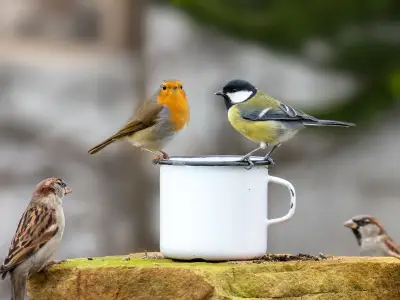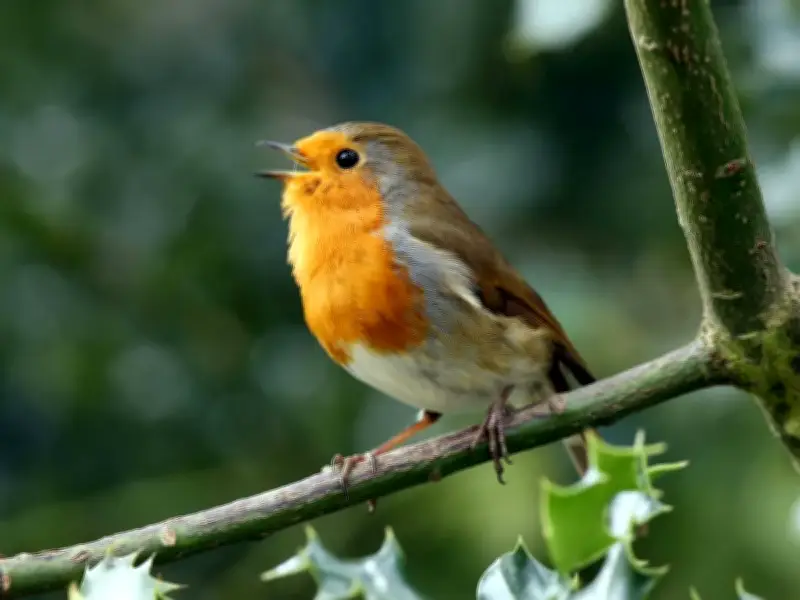
The RSPB advises that high-energy, high-fat foods are essential for robins during cold weather, with mealworms singled out as a food they "absolutely love" that could keep them returning to gardens all winter long.
Each autumn, bird lovers across the UK notice a quieter atmosphere in their gardens as the familiar morning chorus fades. While some species migrate to warmer climates, many familiar birds simply become harder to spot as the season changes.
Those that remain can still benefit from help, particularly with food. The RSPB recommends providing bird food and water "on a regular basis" throughout autumn and winter.
Recommended Foods for Robins
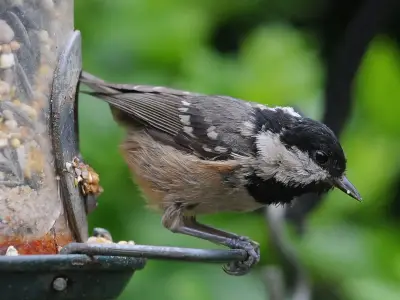
The RSPB lists high-energy, high-fat foods that birds favour, including suet, peanuts, sunflower seeds and mealworms.
"Mealworms are key for robins; they absolutely love them," explained Sue Morgan, CEO of SongBird Survival. "But I think if you went with sunflower hearts and mealworms... robins would really like those."
When putting out food, the RSPB advises adjusting the quantity to demand and never allowing uneaten food to build up. It is also important to remove old feed and check for signs of disease.
Why Birds Are Less Visible in Autumn
After the breeding season, adult birds can feel exhausted, and their feathers may become damaged and worn. Birds undergo a complete feather renewal to prepare for winter, a process that requires large amounts of energy and leaves them more exposed and less willing to spend time in open spaces.
"Moulting is a physically demanding time for birds," the RSPB explains. "They need to conserve energy, so they become much quieter and spend more time hidden amongst vegetation, making them less conspicuous."
Autumn also brings an abundance of natural food, with ripened berries, plentiful seeds and insects in good supply. As a result, birds spend less time at feeders and scatter into hedgerows, woodlands and garden bushes. Young birds that hatched in spring are also gaining independence and moving to new territories, contributing to fewer familiar faces in gardens.
How to Help Birds Through the Season
Gardeners can support birds during this period by supplying fresh, clean water for drinking and bathing, leaving wild areas such as leaf heaps and undisturbed shrubs for refuge and food, and continuing to provide quality bird seed, suet and fat balls as natural food supplies diminish later in autumn.