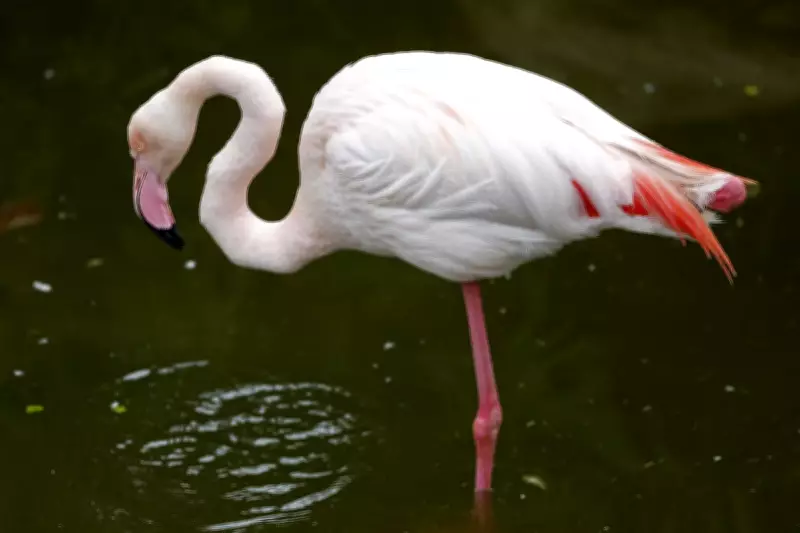
Venice's lagoon has recorded a peak of nearly 24,000 wintering flamingos in 2025, marking an unprecedented influx of the birds, known locally as 'fenicotteri'. Tens of thousands of flamingos are now wintering in the Venetian Lagoon, appearing in numbers never seen before.
Positive Indicator of Lagoon Health
Environmentalists view the flamingos' presence as a positive indicator of the lagoon's health and its suitability as a feeding ground. A project to reconstruct salt marshes in the more isolated southern lagoon has raised prospects that flamingo numbers will further increase, while also drawing the birds away from competing human uses in the north.
Historical Context
Flamingos, typically associated with nesting sites in Spain and France, first began to appear in the vast Venetian Lagoon in the early 2000s. The restoration of wetlands has been crucial in attracting these birds, which rely on shallow, saline waters for feeding and breeding.

The record numbers highlight the success of ongoing conservation efforts and the potential for further growth. As the salt marsh reconstruction continues, experts anticipate even more flamingos will make the lagoon their winter home, benefiting both the ecosystem and local wildlife tourism.