With Halloween approaching, households are being urged to dispose of their pumpkins responsibly, as experts warn that improper methods could harm wildlife and the environment.
Millions of Pumpkins Wasted
Environmental charity Hubbub estimates that approximately 15.8 million pumpkins are wasted at Halloween each year, representing £26.7 million worth of edible food, or around 95 million meals. Waste management specialists at Wheeldon Brothers are calling on families to make the most of their pumpkins before throwing them away.
James Ward, of Wheeldon Brothers, said: "Pumpkins are often treated as single-use Halloween decorations, but many people forget they are still food that can be used long after the celebrations."
Edible Leftovers and Composting
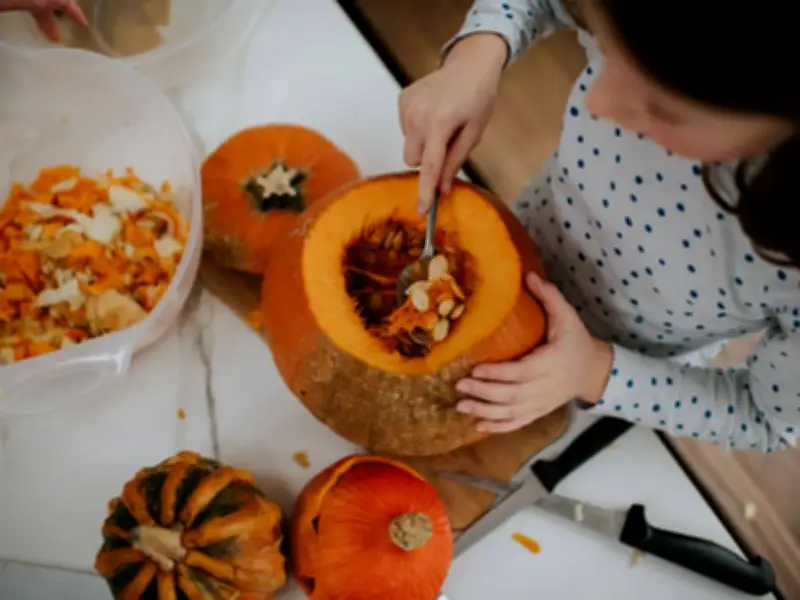
Pumpkins bought for carving can still be used in the kitchen, provided they remain fresh and have not been contaminated by unsuitable decorations. The flesh can be used in soups, curries, and stews, while the seeds can be washed and roasted for a snack.
For pumpkins no longer suitable for eating, home composting offers a practical solution. Untreated pumpkins can be cut into smaller pieces to help them break down more rapidly, but households must remove candles, plastic decorations, and other non-compostable items beforehand.
Wildlife Risks and Local Rules
The Woodland Trust warns that abandoned pumpkins can trigger stomach upsets in hedgehogs, potentially leading to dehydration. Decomposing pumpkins can also attract rats and damage woodland ecosystems.
Households without access to home composting should consult their local council's guidelines before disposing of pumpkins. Certain councils accept pumpkins through food waste collections, while others may have differing requirements.
James added: "It's worth checking what your local council accepts rather than assuming pumpkins belong in a particular bin. Waste collection arrangements can vary depending on where you live, so understanding the correct disposal method can help prevent recyclable or compostable materials from ending up in general waste unnecessarily."