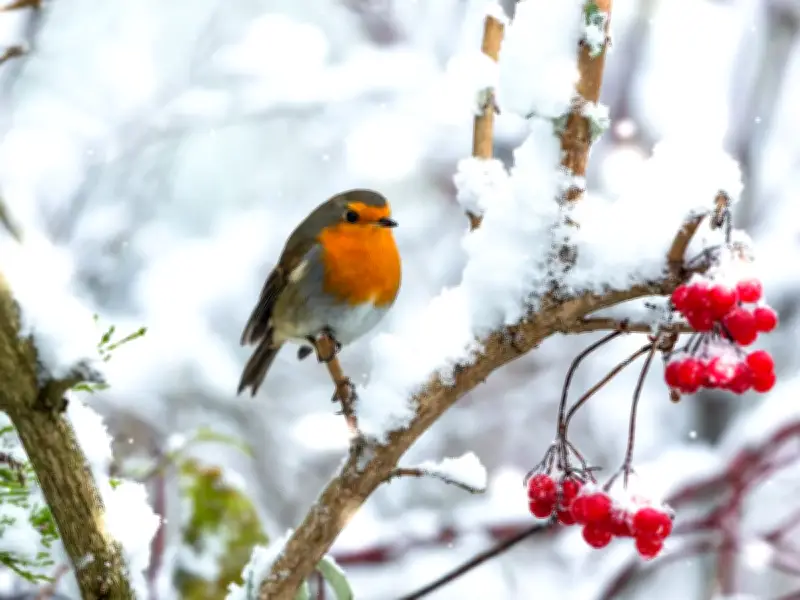
Putting a ping-pong ball in a bird bath can prevent water from freezing over and encourage robins to keep returning to your garden this winter, according to wildlife expert Sean McMenemy, founder of Ark Wildlife.
With temperatures dropping to freezing across the UK and snow forecast in some parts, small garden birds are particularly vulnerable. Small birds can lose more than 10% of their body weight during a single winter night, making reliable food sources especially helpful.
Fresh water and the ping-pong ball trick
McMenemy highlighted that robins need access to fresh water throughout the winter, not just for hydration but also to keep their feathers in good condition. He advised: "Putting out a shallow dish of fresh water in the garden can help, but remember to check it regularly during frosty weather. If it freezes, replace it with fresh, lukewarm water."
He added: "You can prevent the water from freezing over by placing a ping pong ball in the bird bath, which will help to circulate the water." A ping-pong ball may slightly delay ice formation in a light breeze, making the bird bath a reliable stop for territorial robins that patrol the same patch daily.
McMenemy warned: "Stick to natural methods - don’t add salt, antifreeze or other chemicals to water to prevent it from freezing, as these can be harmful to our feathered friends."
Feeding and shelter tips
Providing nutritious food is critically important at this time of year. Robins are particularly partial to mealworms, which are an excellent source of protein, although they will also eat suet pellets, insects, robin-friendly bird mix and fruit.
Robins prefer to forage from the ground, so placing food on a suitable ground feeder or small tray near a shrub or perch can make it easier for them to access. McMenemy noted that robins love to hop around in leaf litter and flower beds searching for insects and worms, but as the ground hardens with the cold, additional food can make a real difference.
Providing shelter and nesting options
Dense shrubs, thorny hedges, climbing plants and thick vegetation provide useful places for robins to hide and keep warm. McMenemy advised not to overtidy the garden during winter, leaving areas of undergrowth, leaf litter and vegetation for shelter and foraging.
Installing a roosting pouch or open-fronted nest box can also help robins escape the cold. McMenemy explained: "It’s important to choose the right design, as robins won’t use a traditional round-holed nest box. Instead, make sure you choose an open-fronted one, which is more suited to the way robins nest." He recommended positioning the box in a quiet, shaded area, ideally hidden with foliage, high enough to keep it out of reach of cats, and facing between north and east to protect it from the sun and winds.
McMenemy concluded: "By providing nutritious food, fresh water and plenty of natural shelter, you can help to make sure these much-loved garden visitors have what they need to get through the winter."