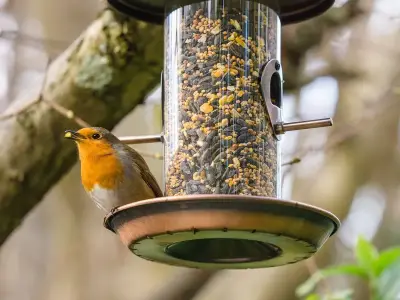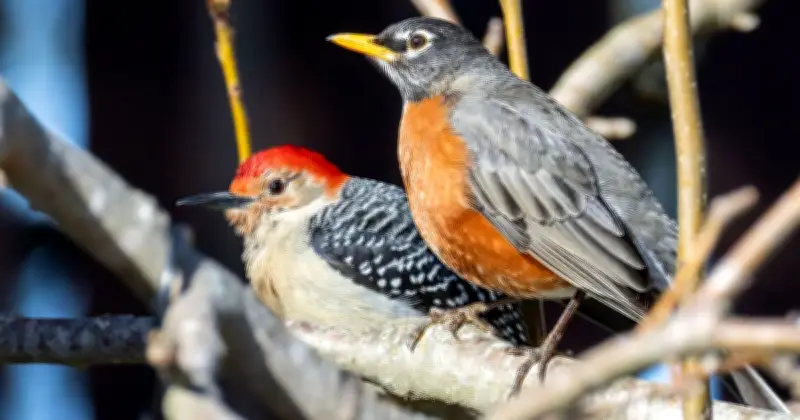
As November arrives and daylight fades while the chill sets in, it's the perfect moment to give your garden birds a helping hand. One bird that will be on the hunt right now for both food and shelter is robins. They are frequent visitors to British gardens at this time of year.
As temperatures drop, and insects become less active, gardens can become key opportunities for them to find food. Offering them food is a wonderful way to help them make it through the cold season while giving you a front-row seat to the vibrant display of winter wildlife from your home.
Peanuts are the key food
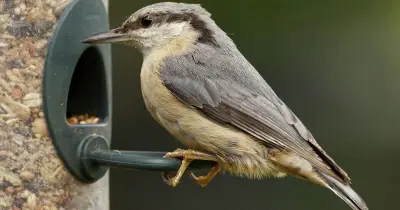
According to bird food company Haith's, there's one food that can draw in woodpeckers and robins – peanuts. While the RSPB previously recommended gardeners halt feeding birds peanuts, this was only between May 1 and October 31.
The bird experts instructed, “Offer unsalted peanuts, as these are loved by robins and woodpeckers.” Peanuts have been a popular offering for garden birds for centuries.
Peanuts are rich in fats, oils and protein, making them especially good for improving the health of birds. However, while it might be tempting to feed your garden birds the peanuts in your house, this is seriously not advised.
Most peanuts for humans are covered in salts and other flavourings that are extremely dangerous for birds. If you want to offer your garden birds peanuts, you should source bird-friendly peanuts.
How should you offer peanuts to birds?
One of the biggest concerns when feeding peanuts is choking. Adult birds can generally manage small peanut pieces, but whole peanuts may be dangerous.
To reduce this risk, whole peanuts should always be placed inside a wire or mesh feeder. This allows birds to break off tiny pieces gradually rather than carrying away large sections. Alternatively, you can offer crushed peanuts.
Location also matters when feeding birds. Experts at Brinvale recommend putting peanut feeders somewhere birds can access easily while still having nearby shelter from predators like trees, hedges, and shrubs. This provides birds with quick escape routes if danger approaches.
How else to feed birds peanuts safely?
Fresh peanuts should have a clean, pleasant nutty aroma. Any peanuts that look mouldy, feel damp, or show signs of discolouration need to be thrown away right away. Peanuts shouldn't be left in the garden for a long time, especially if it's raining. They can quickly go mouldy, at which point, they can cause respiratory infections in the birds that eat them. To avoid this, you should keep your peanut feeding area clean and change the offering of peanuts at regular intervals.
Keeping your bird feeders clean is really important for keeping your feathered friends healthy and safe. Peanut feeders tend to collect dust, dampness, and bird waste as time goes on.
By cleaning them regularly, you can help stop diseases from spreading from one bird to another. The best approach is to give your feeders a good wash with warm water and make sure they're completely dry before you fill them up again.