
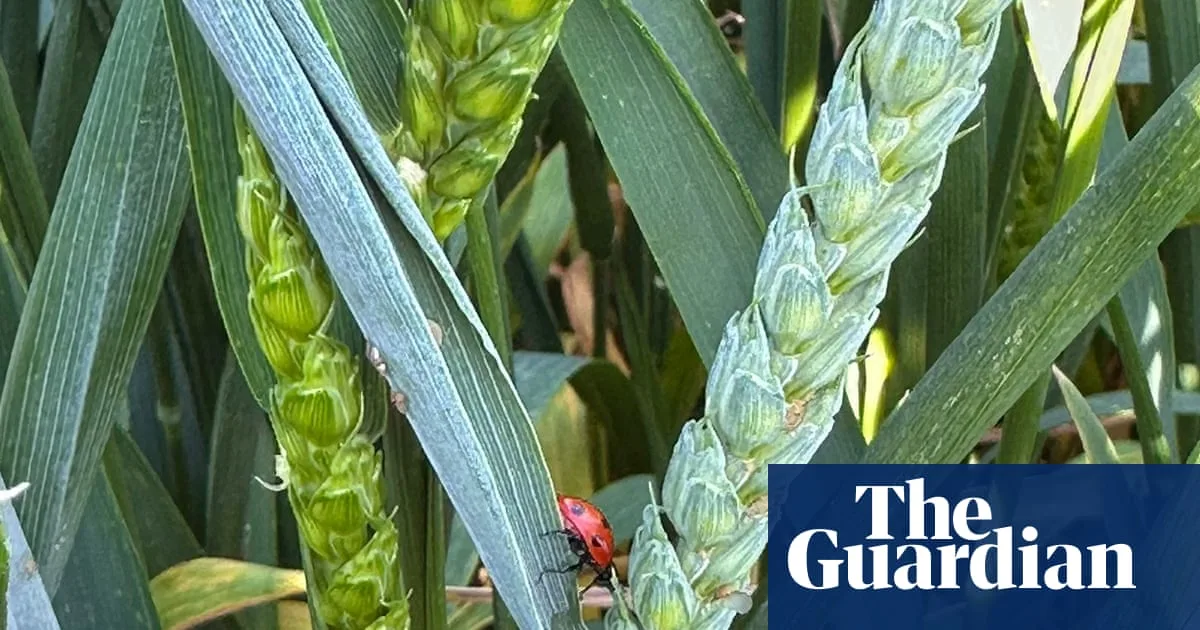
As harvest approaches in Brigg, Lincolnshire, farmer Colin Chappell highlights the vital role of natural predators in protecting his crops. Ladybirds, parasitic wasps, and hoverflies are the unsung heroes, keeping aphid populations in check and reducing the need for chemical pesticides.
Chappell spends long June evenings walking seed crop tramlines to remove wild oats, brome, and blackgrass, which could contaminate the harvest. On wetter days, he cleans grain stores and sets bait traps for insect pests like grain weevils and mites.
The recent dry spell has brought vibrant wildflower margins, attracting bees and butterflies while providing habitat for aphid controllers. These natural predators work several hundred metres into crops like wheat and oilseed rape, vastly reducing chemical use.
Haymaking is imminent, with strong demand after last year's drought-hit yields. Chappell avoids early cutting to protect ground-nesting birds and refuses to use plastic wrapping for haylage or silage. However, the unpredictable climate often tests patience, with heatwaves cut short by downpours.
Birdlife thrives on the farm, with a recent RSPB walk recording 36 species, including six warblers. The dawn chorus begins before 5am, a testament to the farm's biodiversity.




