
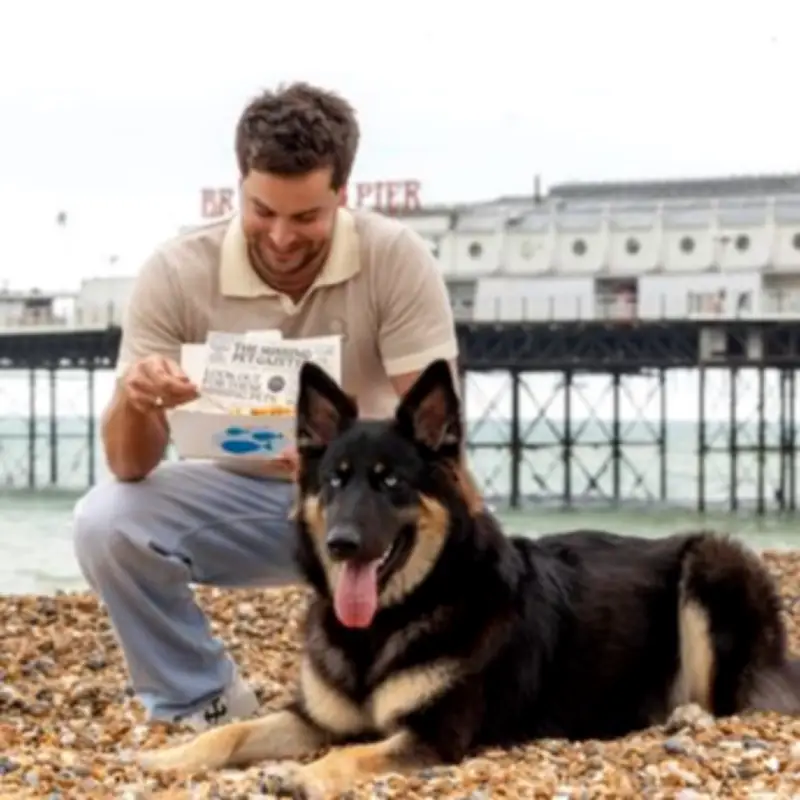
A new survey has revealed that nearly all pet owners would feel as though they had lost a family member if their pet went missing. Despite this emotional attachment, almost a quarter (23 per cent) admitted they have delayed important pet admin tasks, such as updating microchip details, until it is too late.
Expert Advice on What Not to Do
Indy Sangha, CEO of Pet Database, which helps reunite thousands of missing pets with their owners each year, has shared crucial advice on what not to do if a pet goes missing. He warned that dog owners often make the mistake of leaving the spot where their pet was last seen.
Dog owners should stay nearby, as dogs will typically try to return to the place where they were last seen, or they will head back to the car or home if they were out on a nearby walk. Cat owners, however, should focus on checking nearby hiding spots, notifying neighbours, and leaving bedding or food outside with a familiar smell, rather than assuming their pet has wandered far away.
If you happen to find a lost animal, the expert advises safely containing them, checking for ID tags, and contacting a local vet or animal charity so they can check the microchip and help reunite them with their owner.
Survey Findings
The poll of 2,000 cat and dog owners found that 67 per cent said their biggest fear is losing their four-legged friend. However, 17 per cent are unsure of the first steps to take when their pet goes missing. Delays and lack of awareness often reduce the chances of a quick reunion.
On average, owners pay out £1,522 to secure the safe return of their pet. Nearly six in 10 said their biggest fear is losing their pet, and 28 per cent worry about their pet going missing at least once a week.
Common Causes of Pets Going Missing
The main situation believed to lead to animals going missing is a door or gate being left open (53 per cent), followed by chasing wildlife (43 per cent), and fireworks, thunder, or loud noises (43 per cent).
Microchip Shop Event
The research was commissioned by Pet Database, which teamed up with TV presenter and animal lover Chris Hughes to launch the ‘Microchip Shop’ on the Brighton seafront. The event aimed to raise awareness of the importance of microchipping pets and featured fish and chips wrapped in newsprint with local lost pet listings and scannable QR codes.
Indy Sangha said: “Acting quickly can make all the difference when a beloved pet goes missing. Microchipping your pet is only half the battle; it’s important to keep your contact details up to date so you can easily be reached and reunited if your pet goes missing. Reporting the loss will instantly flag your pet as missing and ensure you can be contacted by whoever finds them. Calling local vets and pet wardens can also help with a speedy and safe return of your furry friend.”
Top 10 Actions When a Pet Goes Missing
- Search the immediate local area thoroughly
- Ask neighbours to check gardens, sheds and garages
- Mark the pet as missing with its microchip database
- Share recent photos and details online
- Contact local vets
- Contact animal charities/rescue organisations
- Put familiar bedding or scents outside the home
- Search areas several miles away immediately
- Assume the pet will return on its own
- Wait 24 hours before taking any action




