
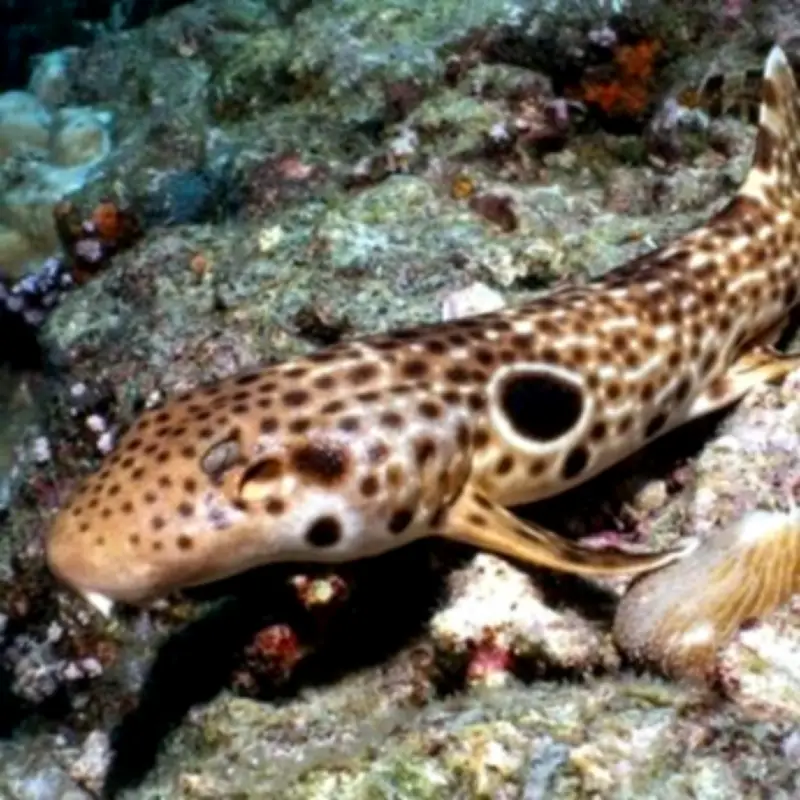
Scientists have discovered a new species of 'walking shark' in Papua New Guinea that can stroll on land using its fins, but it already faces local extinction.
Discovery of a Unique Predator
A shark that can literally walk out of the ocean has left experts stunned after being identified as a completely brand-new species. The bizarre creature, discovered lurking on the shores of Papua New Guinea, is capable of dragging most of its body out of the water using its fins.
While the discovery has sent shockwaves through the scientific community, local residents have actually known about the land-roving fish for generations. Spotting them waddling across shallow reef flats during low tide, locals have dubbed the creature kadedekedewa, which translates to 'dog shark' or 'lazy shark'.
Scientific Classification
The oddball predators belong to the Hemiscyllium genus - frequently called walking or epaulette sharks. They use their pectoral fins exactly like legs to march across the seabed and land, and are exclusively found around Australia and New Guinea. The newly crowned species has been named Hemiscyllium dudgeonae in honour of Christine Dudgeon from the University of the Sunshine Coast in Queensland, Australia, who helped formally identify it.
How It Was Found
Dr Dudgeon stumbled upon the creature just after midnight during a research trip in March 2025. It was swimming in a mere metre of water above a seagrass meadow in Milne Bay, Papua New Guinea. Ironically, she was hunting for a completely different species at the time. Dr Dudgeon told the New Scientist: 'Because it was so late and I had been in the water for a while, I was a bit over it. Then I just saw one swimming along the bottom.'
Reacting quickly, she beamed her torch directly at the shark, which measured nearly three-quarters of a metre long, causing it to freeze on the spot in a natural defence reflex. She then grabbed the beast and deployed a slick, martial-arts style restraint known among experts as the 'flip and tuck.' Dr Dudgeon said: 'You sort of just flip them over and tuck the tail under your armpit and it stops them from wriggling away.'
Once the shark was safely restrained, she passed it up to her colleague Jess Blakeway, who was waiting on a nearby drifting boat. Blakeway said: 'Straight away, just from the colour pattern, I could see it was very distinctively different to the other species that we work with and the other species that we know of.'
Distinctive Features
There are nine other known species of walking shark, all of which survive on small invertebrates living on the ocean floor. While they share near-identical body shapes and sizes, they are usually told apart by the unique markings on their skin. While the team expected to find a shark with a leopard-like print, the new creature looked vastly different. Blakeway said: 'This new one has got lots of spots and dashes that reminded me of braille or morse code.'
Over the following days, the team managed to capture 11 more of the sharks across three different locations. Nine were released back into the wild after tissue samples were taken, while three were kept for closer examination. Back in the lab, rigorous DNA testing officially confirmed that the 'Morse code' shark was genetically unique from any other walking shark on Earth.
Threat of Extinction
Tragically, despite only just being discovered, the walking shark is already facing total extinction. The species is under severe threat from habitat destruction caused by coastal development, expanding palm oil plantations, and devastating coral bleaching. Scientists fear that H. dudgeonae only exists in Milne Bay, making it the single most endangered walking shark on the planet. Blakeway added: 'This species adds to Papua New Guinea's extraordinary biodiversity, yet it faces local extinction without urgent conservation action.'




