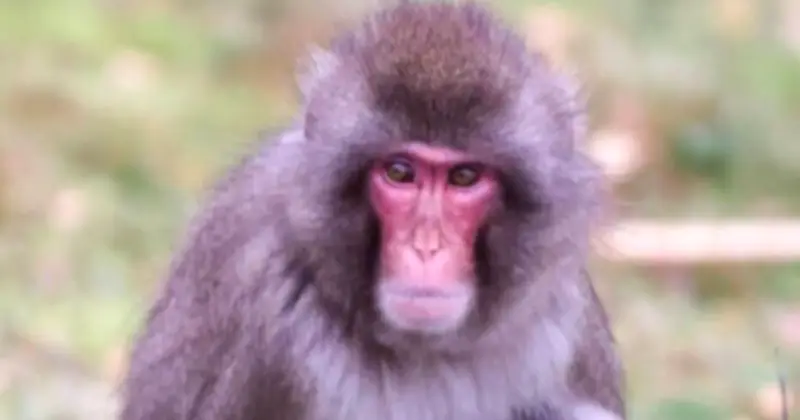
A Japanese macaque named Luka has escaped from the Highland Wildlife Park near Aviemore, prompting an urgent search involving thermal drones. The monkey was reported missing after vanishing overnight on Sunday, August 16. Members of the public have been urged not to approach the animal and to report any sightings to a dedicated hotline.
Search Underway
Luka was last spotted in the Balavil area. Teams are deploying a variety of methods to track him down, including thermal imaging drones. The macaque is not considered dangerous, but the public is advised to keep their distance.
Darren McGarry, head of animal care at the Royal Zoological Society of Scotland (RZSS), said the team was doing everything they can to locate the macaque. He added: "Primate group dynamics can be very complex and males being forced out of a group is not uncommon. Although the macaque is not dangerous, our advice is members of the public should not approach him and to contact 07769165117 with any details of a sighting."
Statement from the Park
In a statement, Highland Wildlife Park confirmed: "A young male Japanese macaque named Luka has escaped from his habitat at Highland Wildlife Park. The search teams are currently working to locate Luka using a range of techniques including a thermal imaging drone. He was last seen in the Balavil area. The macaque is not considered dangerous, but members of the public are asked not to approach him if spotted."
Previous Escape in 2024
This incident follows another escape in 2024, when a Japanese macaque named Honshu absconded for four days following an apparent altercation with other males. Dubbed Kingussie Kong, the monkey was found approximately 300 metres (roughly 980ft) north of the park entrance, sighted in the garden of a neighbouring property.
Drone footage revealed the animal wandering beneath trees and perching in undergrowth to survey his surroundings before darting away. He was tracked by drones until it was deemed safe to tranquilise him and return him to the park. He was later relocated to Edinburgh Zoo. At the time, residents were advised to bring in potential food sources such as bird feeders or food waste to entice the monkey and facilitate his return.