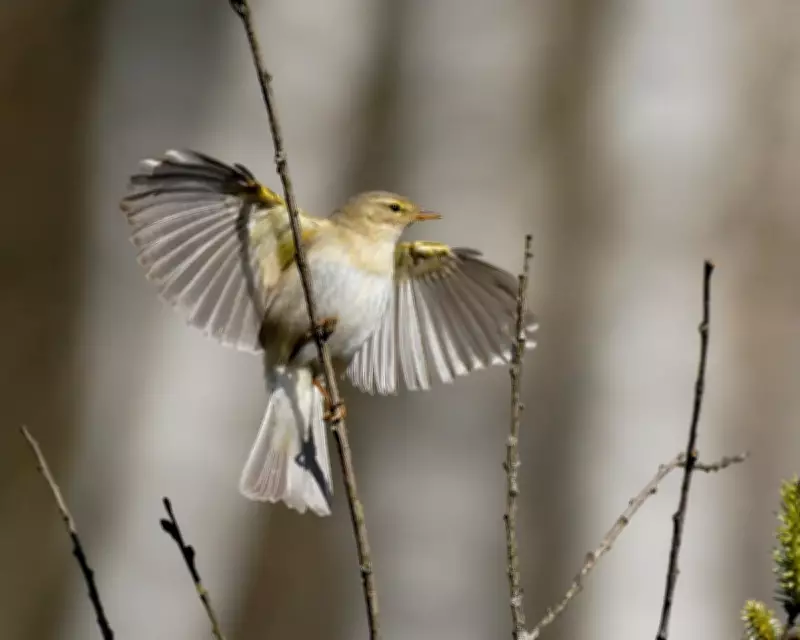
Willow warbler numbers have seen a significant decline, according to data from bird ringers compiled by the British Trust for Ornithology (BTO). The 2025 breeding season proved particularly disastrous for several warbler species, despite a warm spring and record-breaking summer heat in England and Wales.
Warm Spring, Disastrous Breeding Season
After a mild, wet, and stormy winter, spring 2025 was one of the warmest and driest on record, followed by the hottest summer since records began, especially in England and Wales. While these conditions might seem favourable for migratory birds, the reality was starkly different for many species that travel from Africa to breed in Britain.
According to the BTO, four warbler species—willow warbler, blackcap, garden warbler, and common whitethroat—experienced significant population falls. Three others, including sedge warbler, reed warbler, and lesser whitethroat, also declined, albeit less severely. Only the chiffchaff, which winters closer to home in North Africa and Iberia and sometimes remains in southern Britain, showed an increase in numbers.

Mixed Fortunes for Pigeons and Doves
The BTO's breeding bird survey, another major annual study, revealed mixed outcomes for pigeons and doves. While woodpigeon and stock dove numbers continued to rise, collared dove and turtle dove populations continued their rapid decline.
Experts caution against attributing rises or falls in bird populations solely to weather conditions in a given year. Many factors, including habitat loss both in the UK and in wintering grounds abroad, play significant roles. However, as the climate crisis leads to more extreme weather events, vigilance is essential. The work of BTO staff and volunteers remains crucial for monitoring these changes.