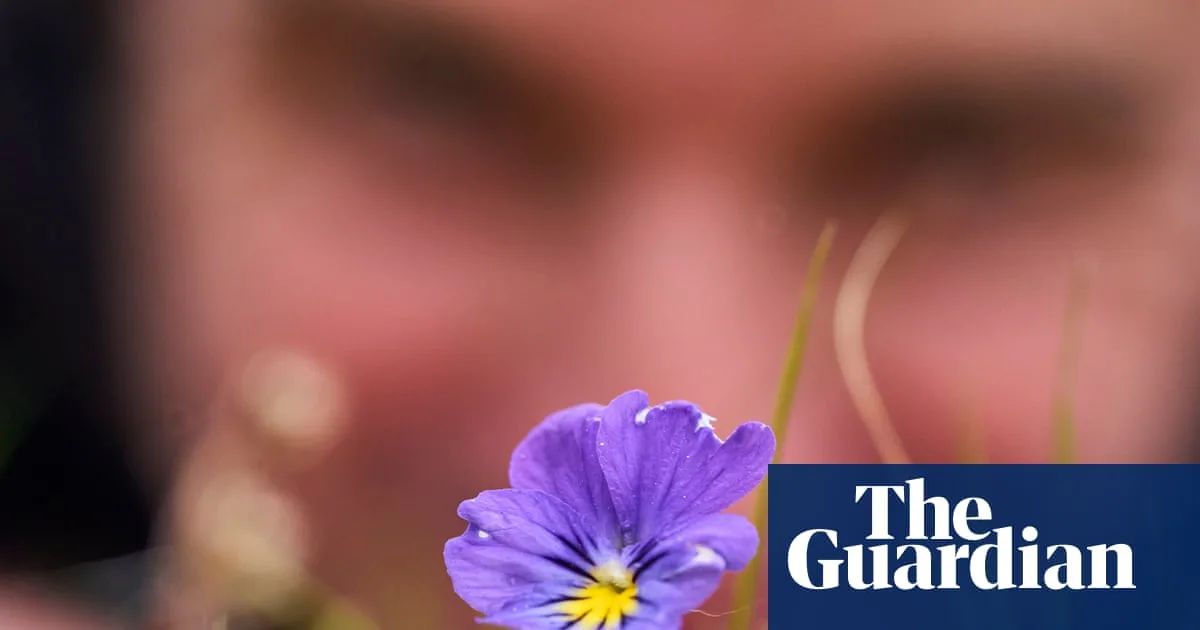
Calaminarian grassland, a rare habitat where plants thrive in soils contaminated by heavy metals, is found in pockets across the UK. These specialist plants, known as metallophytes, have adapted to the toxic legacy of over 1,000 years of lead mining.
Geoff Dobbins, estates manager for the Northumberland Wildlife Trust, describes the grasslands as "a case of nature responding to pollution caused by humans." However, as more aggressive plants like gorse and broom encroach, debate grows over whether these human-made meadows should be protected or allowed to fade.
The grasslands are named after Viola calaminaria, a rare yellow violet found in metal-rich soils of northern Europe. About 30% of Europe's calaminarian grasslands are in the UK, covering just 450 hectares, with pockets in northern England, mid-Wales, and the Scottish Highlands.
Metallophytes act as "hyper-accumulators," absorbing heavy metals through their roots and converting them into complex organic compounds. This process, called phytoremediation, locks the metals away when the plants die. The toxicity also deters herbivores and prevents fungal diseases.
The grasslands originated around rocky upland outcrops where veins of lead, cadmium, and zinc were exposed. Mining intensified in the mid-18th century, leaving abandoned workings and spoil heaps. Deposits from mine-wash gathered on riverbanks, providing a base for calaminarian plants to take root.