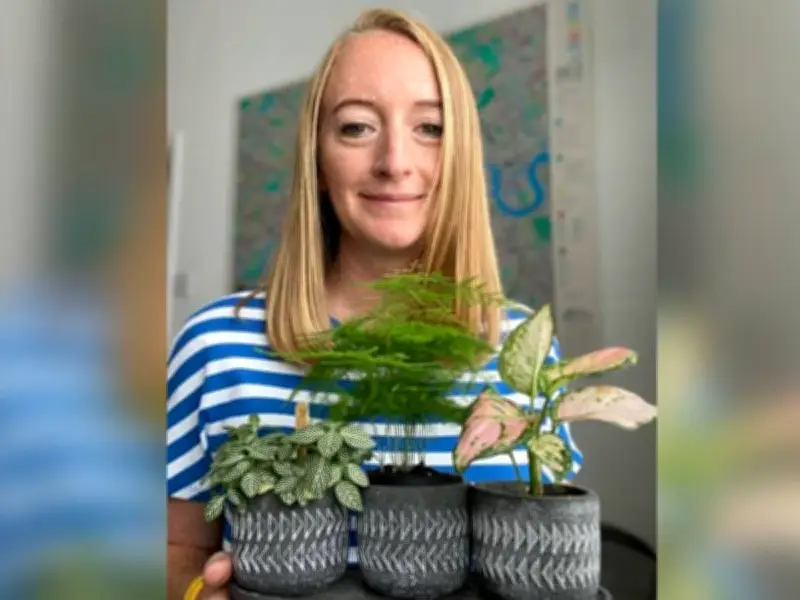
One of the best natural helpers you can have in your garden is the ladybird, according to Tessa Cobley, plant pest expert and owner of Ladybird Plantcare. The brightly coloured beetle is not just a pretty sight – it is a working ally against common garden pests.
"Ladybirds are one of the best natural helpers you can have in your garden," Cobley said. "They feed on many common garden pests, helping to create a healthier balance outdoors and reducing the need for intervention like chemical control."
Why every garden needs ladybirds
Many gardeners worry when they spot insects near their crops and flowers, but Cobley says people should understand that these creatures are 'an essential part of a thriving outdoor space'. She explains that ladybirds help keep plant-damaging pests in check naturally.
Their appetite for aphids is particularly useful. A single adult ladybird can consume dozens of aphids daily, and the larvae are even more voracious – they can devour hundreds of aphids before reaching adulthood. This makes them one of the most powerful natural defences against sap-sucking pests.
How to make ladybirds feel welcome
If your garden is short of these tiny allies, there are steps you can take to draw them in. Cobley suggests being less quick to remove pests, since ladybirds need a reliable food source. "Leaving a small number of aphids on less valuable plants can encourage ladybirds to visit and settle in your garden," she advised.
Planting the right flowers can also help. Ladybirds are particularly drawn to flat-topped, umbrella-shaped plants such as dill, fennel, coriander, yarrow, angelica and sweet alyssum. Bright yellow and orange flowers like marigolds and calendula are also attractive to them.
Ladybirds can also be bought from specialist suppliers, although Cobley notes there is no guarantee they will stay if the garden does not offer the right conditions. "Like all wildlife, ladybirds will stay where they have access to food, shelter and a safe environment," she said. "By making your garden a welcoming place for them, you'll be rewarded with one of nature's most helpful little garden visitors."
Ladybird species in the UK
The UK is home to 47 species of ladybird, which vary in colour and number of spots, and non-native varieties can also be seen. All of them are considered broadly beneficial and feed on the same pests regardless of species.