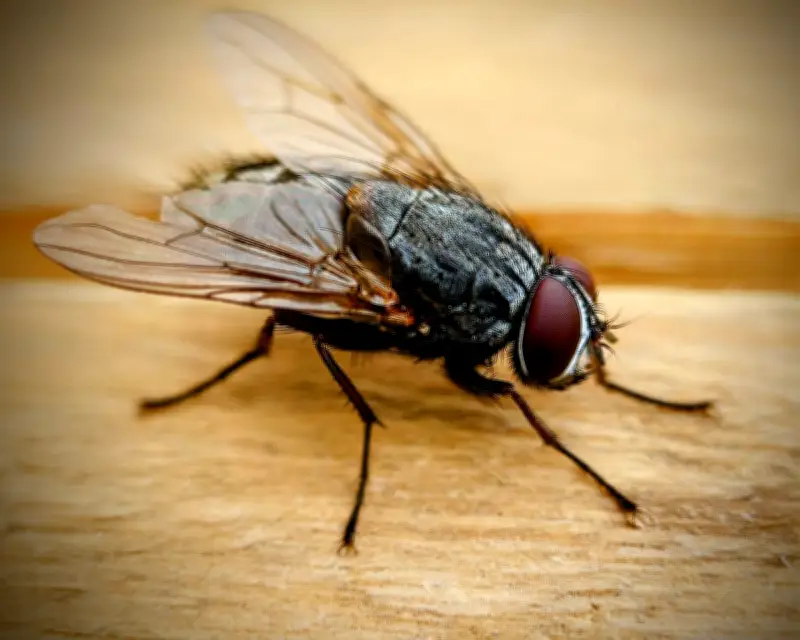
Houseflies are universally reviled for their filth and incessant buzzing, but a closer look reveals they are far more intelligent and ecologically important than commonly assumed. Emma Beddington, a self-confessed fly-hater, explores the surprising science behind these insects and argues for a more tolerant coexistence.
The Case Against Houseflies: Filth and Disease
Houseflies are undeniably gross. A 2023 study describes them as "well recognised as filth-associated organisms and public nuisances," carrying over 200 pathogenic bacteria strains, including salmonella, E. coli, and campylobacter. They are vectors for infectious disease and antimicrobial resistance, defecating every four to five minutes on every surface they land on. This visceral revulsion may be an evolutionary adaptation to keep us safe from disease.
The Hidden Intelligence of Flies
Research on fruit flies reveals surprising cognitive abilities. They can learn, avoid painful stimuli, and exhibit rational decision-making. One study even suggests male fruit flies experience pleasure from ejaculation, though similar research on females is lacking. These findings hint at a rich inner life in flies that challenges our disdain.
Ecological Importance: More Than Just Pests
Flies play a crucial role in ecosystems. Their larvae (maggots) break down and redistribute organic matter, nourishing plants and fungi. Adult flies are a key food source for insectivorous birds and spiders. Declining invertebrate abundance has cascading effects, making flies ecologically indispensable.
Jonathan Balcombe, author of Super Fly: The Unexpected Lives of the World’s Most Successful Insects, argues that failing to respect flies is "not merely a moral mistake; it is a fatal ecological error." He even claims to enjoy the tickle of a housefly's feet on his skin, though Beddington finds this a step too far.
A New Perspective: Tolerance Over Swatting
Beddington concludes that while she may never love houseflies, she will strive to tolerate them. The next time a fly buzzes around her desk, she will remember its ecological role and potential capacity for pleasure. Live and let live, but perhaps not the tickling.