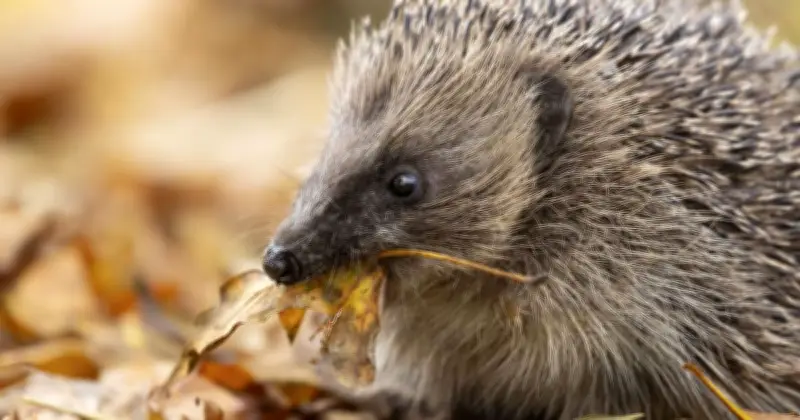
Leaving a small pile of fallen leaves in a quiet corner of your garden during October can turn them from a nuisance into a haven for hedgehogs, frogs, insects and other small wildlife, encouraging them to keep returning through the colder months.
Chris Bonnett, founder of GardeningExpress.co.uk, said many homeowners have already noticed their gardens filling with fallen leaves. He said: “Whilst your first instinct may be to remove them to make your outdoor space look tidier, they can actually do wonders for your garden as the weather turns colder.”
Creating a Wildlife Haven
Bonnett's first tip is to create a small pile of leaves in a quiet corner of the garden. This simple, low-effort action supports local biodiversity and provides extra shelter for wildlife during winter.
Another way to use fallen leaves is to make mulch. Using a mower, shredder or clipper, shred the leaves and spread a layer around garden beds, borders and shrubs to protect them from frost. As the leaves break down, they release nutrients back into the soil, keeping it healthy through winter.
Compost and Leaf Mould
Fallen leaves can also be added to a compost pile, as they are rich in carbon and help create a balanced compost that breaks down faster. For those without a compost pile, leaf mould is an alternative.
To make leaf mould, place fallen leaves in a bin bag, dampen them, and let them sit for a year. The result is a dark, crumbly leaf mould that acts as a nutrient-rich soil conditioner.
Leaving Leaves as a Natural Blanket
The easiest option is to simply leave some leaves on the ground. A light layer acts like a natural blanket, keeping soil insulated and helping it retain moisture.