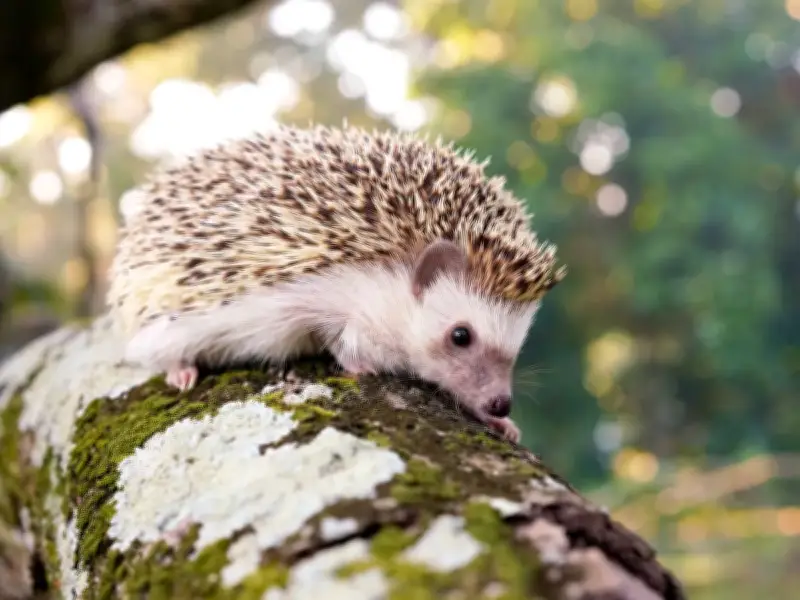
Leaving tinned meaty cat or dog food and crushed cat or dog biscuits in shallow bowls can tempt hedgehogs to visit gardens regularly this autumn, according to the RSPCA.
As autumn approaches, more hedgehogs appear in and around neighbourhoods, and the right garden setting can become a hedgehog paradise if it is packed with nutritious food sources and sheltered spots for hibernation. Hedgehogs are frequent garden visitors because they forage for insects, worms, caterpillars, beetles and other invertebrates.
What to feed hedgehogs
Leaving food and fresh water out in the garden during the evenings can tempt hedgehogs to visit and come back regularly. The same food that cats or dogs enjoy at home is also a firm favourite with wild hedgehogs, according to the RSPCA.
The food should be placed in shallow bowls so hedgehogs can reach it easily, topped up every day, and any leftovers that go untouched should be disposed of. Certain foods should be avoided altogether, particularly anything containing milk, as hedgehogs are lactose intolerant, which can trigger diarrhoea. Bread also poses a risk because it offers no nutritional value.
Creating shelter and safety
Beyond food, creating a natural shelter can encourage hedgehogs to keep coming back. Leaving piles of leaves, logs or compost in the garden rather than clearing them away gives hedgehogs a better chance of building their own nest, though some wildlife enthusiasts go further by purchasing a purpose-built hedgehog house or constructing one from wood.
Some people also create so-called 'hedgehog highways' by cutting holes in fences to allow hedgehogs to move freely between gardens as they forage. The RSPCA has outlined a number of things that can put hedgehogs at risk, and one of the most important at this time of year is thoroughly checking bonfires before setting them alight, as hedgehogs may be nesting or sheltering inside. Relocating the entire bonfire beforehand gives any small creatures hiding within it the chance to escape to safety.