
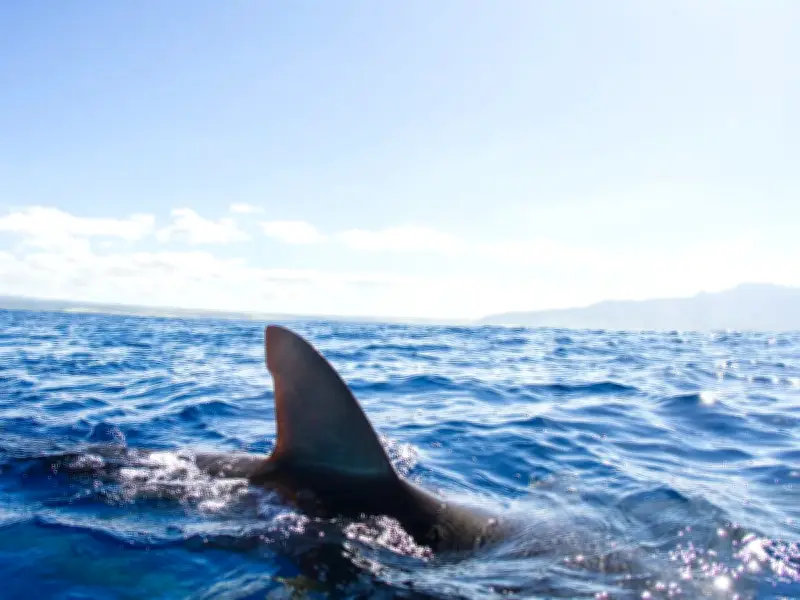
The rarely seen Greenland 'sleeper' shark has been lurking in deep, cold UK waters since the 1600s. Scientists say the Greenland shark is the longest-living vertebrate on Earth, with some individuals estimated to be around 400 years old.
A shark born before Newton
A landmark 2016 study in the journal Science analysed a large female Greenland shark and calculated her median birth year at around 1627. That means she could have been swimming before mathematician Isaac Newton was born in 1643. She would already have been ancient by the time the United States declared independence in 1776.
The oldest shark studied was estimated at between 272 and 512 years old. On the upper end, she could have been alive in the 1500s, while Shakespeare was still writing.
Why they live so long
Greenland sharks can live so long because they prowl the near-freezing, pitch-black depths of the Arctic and North Atlantic, where their metabolism is so slow they grow by just about one centimetre a year, Space Daily reported. Scientists believe they don't reach adulthood until roughly 150 years old.
Sharks don't have hard bones with growth rings, so scientists used radiocarbon dating on the lenses of their eyes to calculate their age. The proteins at the centre form before birth and never change, acting like a built-in biological time capsule, according to the Guardian.
UK sightings
The species, Somniosus microcephalus, means 'sleepy tiny-head'. It is part of the sleeper shark family, which includes around 20 species. They can grow up to 21 feet (6.4m) and more than 2,200 pounds (1,000kg).
They are the largest shark species found in British seas, reaching up to 7 metres (23 feet). They lurk in deep, cold trenches off Scotland and northern England, rarely seen because they stay thousands of feet down. They don't often head into southern waters because the surface is too warm, but the deep seabed can stay cold enough for them to travel further south than many people think.
A dead 'ginormous' Greenland shark washed up in Newlyn, Cornwall, with experts estimating it could have been 300 to 500 years old, the BBC reported in April. Others have been found on the northeast coast in Northumberland. In 2022, a rare 2-metre male washed ashore in Sligo, Ireland, collected by scientists to study its heart and eyes for clues to extreme longevity, Oceanographic reported.
Not a threat
Despite their size, they're not a threat to swimmers. They're nicknamed sleeper sharks because they move in sluggish slow motion to conserve energy, and they live far too deep for beachgoers or everyday divers to ever cross paths with them.




