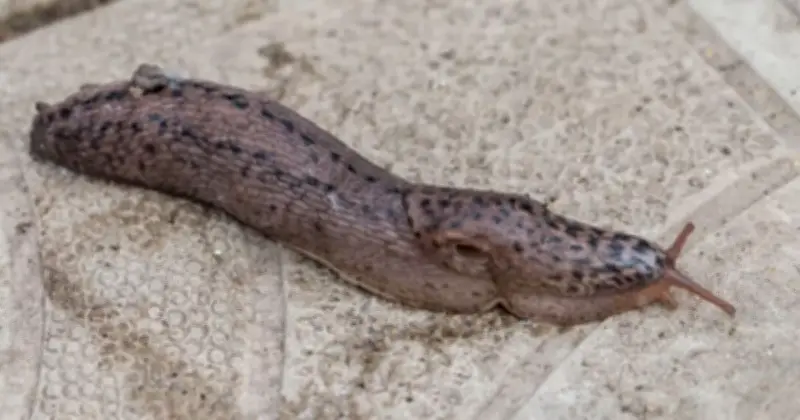
Gardeners are being warned about one type of slug that is common in British gardens over the winter. While most gardeners battle plant-chewing pests all year round, in wet and rainy autumns and winters, slugs and snails focus on breeding and laying eggs for the following year.
Why leopard slugs should be left alone
The BBC’s Countryfile says there is one type of slug which you will see a lot at this time of year, which you should leave well alone. Leopard slugs, named for their unusual spotted markings, are not interested in living leaves and instead will feed on dead plant matter, which litters gardens at this time of year. Their diet consists of fungi, dead plants and even dead animals like birds and mice.
What’s more, leopard slugs are the mafia of the slug world, hunting down, killing and eating other slugs too. This means that leopard slugs are beneficial garden cleaners, tidying up around raised beds, greenhouses and lawns.
Benefits for gardeners
This can even help stop the spread of diseases that pass from dead plants or animals to healthy crops. BBC Countryfile says: “If you spot a leopard slug in your garden, don't despair as this species is not regarded as a plant pest. The preferred diet of the leopard slug is fungi, dead plant or animal matter making it a useful species to have around.
“Easily recognisable with its leopard-like spots, the species can grow up to 16cm and is commonly found in parkland, woodland and gardens.”
This is backed by the Game & Wildlife Conservation Trust, which says: “These guys don’t do much damage to living plants, as they eat mainly dead and rotting vegetation along with fungi, which helps recycle nutrients and fertilise the soil. But the really cool thing about leopard slugs is that they are omnivorous and will hunt down other slugs, overwhelming them with a top speed of 6 in/min.”