Garden Log Pile Transforms into Bustling Wildlife Sanctuary
In a quiet garden in Hove, East Sussex, a simple log pile has evolved into a vibrant ecosystem, teeming with life from frogs and toads to a myriad of insects and fungi. This humble structure, composed of various tree species including oak, elder, hazel, willow, and birch, serves as a critical habitat, demonstrating how dead wood can foster biodiversity in urban settings.
A Diverse Array of Tree Species Supports Rich Insect and Fungal Life
The log pile's diversity is key to its success. By incorporating logs from different trees such as apple, walnut, and hawthorn, sourced from neighbours, allotments, and tree surgeons, it attracts a wide range of organisms. In death, each tree species supports unique insects and fungi, enhancing the pile's ecological complexity. For instance, jelly ear fungi have been identified, alongside other brackets, strands, and even a pink slime mould, creating a dynamic environment.
The arrangement of the wood plays a crucial role in attracting specific species. Buried logs draw in stag beetles, while elevated wood appeals to wasp beetles. Specialists like solitary bees utilise abandoned holes for egg-laying, and wasps carve their own niches. In the soil below, detritivores, fungi, and bacteria work together to decay the wood, returning it to the earth and enriching the habitat.

Amphibians and Insects Thrive in the Log Pile's Micro-Habitat
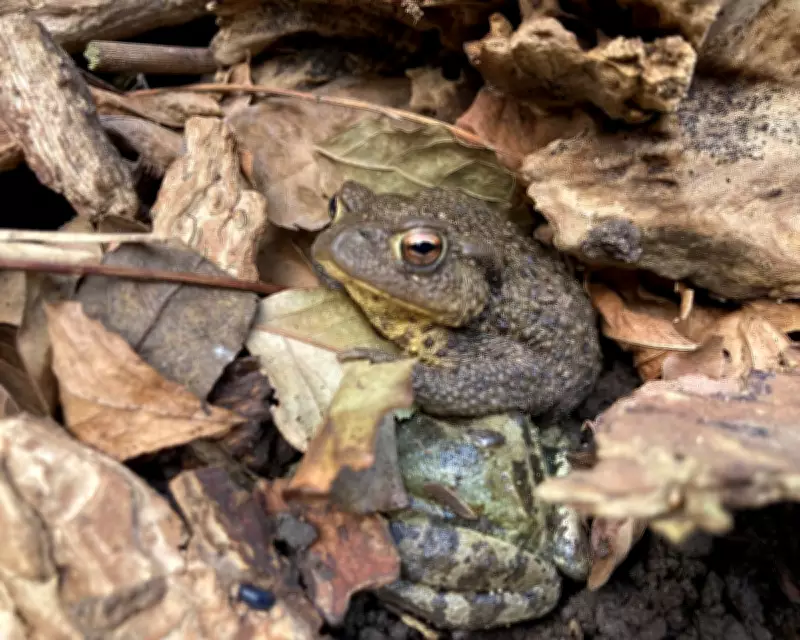
During a recent dismantling to make space for a hedgehog box, the log pile revealed its hidden inhabitants. Frogs croaked from within, and wrens foraged for insects on the surface. At the bottom, a sweet earthy smell accompanied a crumble of wood and leaves, where a party of frogs and toads resided. One female toad was gravid with unlaid spawn, and four frogs peered out from a hollow log, highlighting the pile's role as a breeding ground.
Careful handling uncovered beetles, springtails, centipedes, and earthworms in the rich soil, underscoring the pile's importance as a refuge. A paving slab was added to prevent the new hedgehog box from rotting, and logs were rearranged with softer ones on the soil and drier ones around the box to maintain the ecosystem's balance.
Future Prospects: Hedgehogs and Seasonal Growth
As spring approaches, grass and other plants are expected to grow into and around the log pile, further concealing the hedgehog box. Amphibians will likely crawl back into place, and if fortunate, a female hedgehog may discover the box, completing the heap. This garden feature exemplifies how small actions, like repurposing dead wood, can create thriving habitats, offering a gift of nature in urban spaces.
This story underscores the broader value of log piles in supporting wildlife, from amphibians to insects, and serves as an inspiration for gardeners to embrace such eco-friendly practices. For more insights into rural and wildlife topics, resources like country diaries provide valuable perspectives on nature's intricacies.