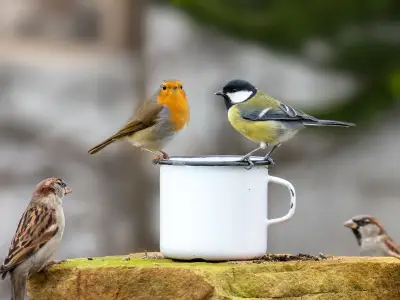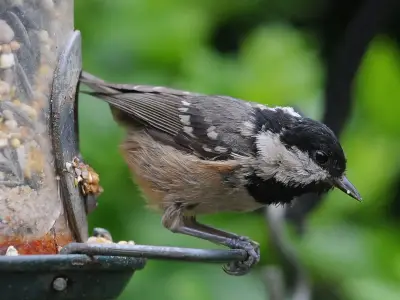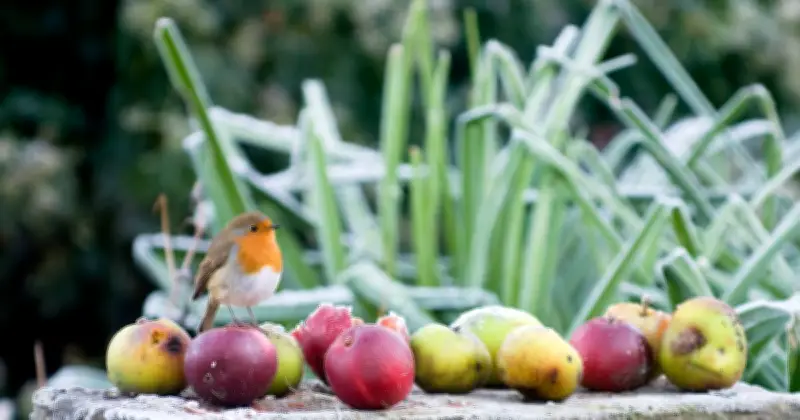
Wildlife charities are encouraging gardeners to put out high-fat foods such as mealworms this November to help robins and other birds through the colder months. The advice comes as many people notice fewer birds visiting their gardens during autumn, when the dawn chorus fades and familiar species become less visible.
Why birds go quiet in autumn
The RSPB (The Royal Society for the Protection of Birds) recommends continuing to offer bird food and water "on a regular basis" throughout autumn and winter. It states: "Birds need high-energy, high-fat foods during cold weather."
Recommended high-energy foods include suet, peanuts, sunflower seeds and mealworms. Sue Morgan, CEO of SongBird Survival, said: "Mealworms are key for robins; they absolutely love them. But I think if you went with sunflower hearts and mealworms... robins would really like those."
Birds often appear less frequently at feeders in autumn because natural food is abundant, with ripening berries, proliferating seeds and widespread insects. They scatter into hedgerows, woodland and garden shrubbery to hunt for a varied diet.
Moulting and feeding tips
After the breeding season, adult birds become exhausted, and their feathers may be damaged and worn. They undergo a complete renewal of plumage, a process that demands large amounts of energy and leaves them more susceptible and less willing to venture into exposed areas.
"Moulting is a physically demanding time for birds," the RSPB explains. "They need to conserve energy, so they become much quieter and spend more time hidden amongst vegetation, making them less conspicuous."
The RSPB advises: "Always adjust the quantity given to the demand, and never allow uneaten foods to build up." It also stresses the importance of removing old feed, checking for signs of illness, and cleaning bird baths frequently.
How to support garden birds
Young birds that hatched in spring are now gaining independence and moving away from their birth garden in a process called "dispersal", which can reduce the number of familiar visitors. Gardeners can help by providing fresh, clean water, leaving wild areas such as leaf heaps and seed heads for refuge, and continuing to supply quality bird seed, suet and fat balls for energy during moulting and winter preparation.