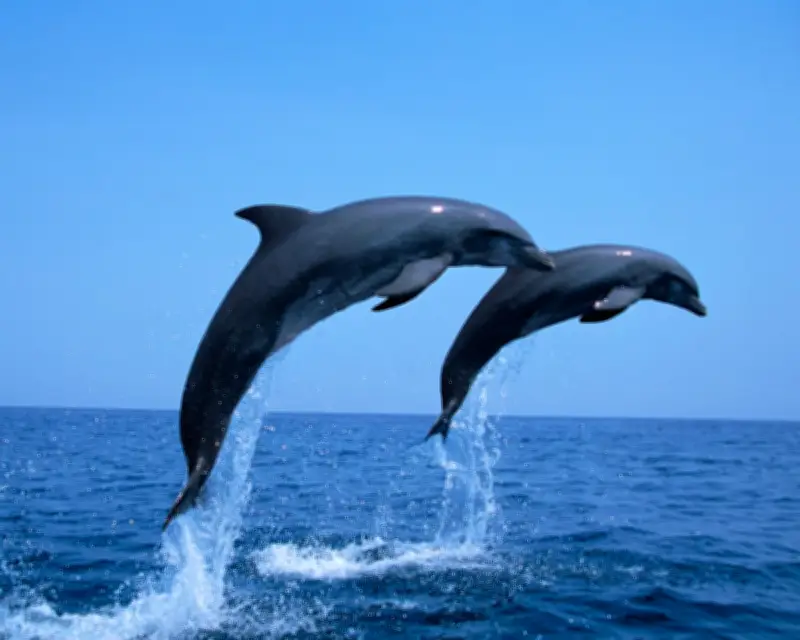
Dolphins Turn to Trawlers for Food
Bottlenose dolphins in the Adriatic Sea are increasingly scavenging food from fishing trawlers, according to a study published in the journal Marine Biology. Researchers from the University of St Andrews and the Blue World Institute of Marine Research and Conservation observed that dolphins have altered their foraging behaviour in response to declining fish stocks caused by overfishing.
Study Details and Observations
The study, conducted over three years from 2023 to 2025, tracked 120 bottlenose dolphins off the coast of Croatia. Scientists used photo-identification and acoustic monitoring to document interactions between dolphins and trawlers. They found that the dolphins spent up to 60% of their time near fishing vessels, particularly during trawling operations, where they fed on discarded catch or fish escaping nets. According to lead author Dr. Elena Rossi, “Dolphins are highly intelligent and adaptable, but this shift in behaviour indicates significant pressure on their natural food sources.”
Impact of Overfishing
The Adriatic Sea has experienced a 40% decline in sardine and anchovy populations over the past decade, according to the study. These small pelagic fish are the primary prey for bottlenose dolphins. The researchers noted that dolphins are now competing with trawlers for the remaining fish, a situation that could lead to increased dolphin mortality from entanglement in fishing gear. “This is a clear sign that the marine ecosystem is under stress,” said co-author Dr. Marko Petrovic of the Blue World Institute.
Conservation Concerns
The study highlights the need for better fisheries management and marine protected areas. The researchers recommend reducing trawling in key dolphin habitats and enforcing stricter quotas on sardine and anchovy catches. They also call for monitoring dolphin health and population trends to assess the long-term impact of this behavioural change. “If overfishing continues, dolphins may become increasingly dependent on trawlers, which is not a sustainable solution for their survival,” added Dr. Rossi.