The UK government has drastically cut the Darwin Initiative, one of its longest-standing funds for global nature protection, with at least 89 countries losing eligibility for biodiversity project funding. Conservationists warn the move will jeopardise species and habitats, and undermine global efforts to halt nature's decline.
Affected regions include most of Africa, central Asia, and parts of Latin America. Countries such as Argentina, Iran, Sudan, Chad, Mali, and Angola will lose out, as will Armenia, host of the next UN biodiversity conference. However, Brazil and Indonesia remain eligible despite being G20 nations.
Andrew Terry, ZSL's Director of Conservation and Policy, said: 'At a time when governments have committed to scaling international biodiversity finance to $30 billion a year by 2030, continued cuts risk undermining trust. The Darwin Initiative has been one of the UK's most important programmes for supporting wildlife and tackling climate change.'
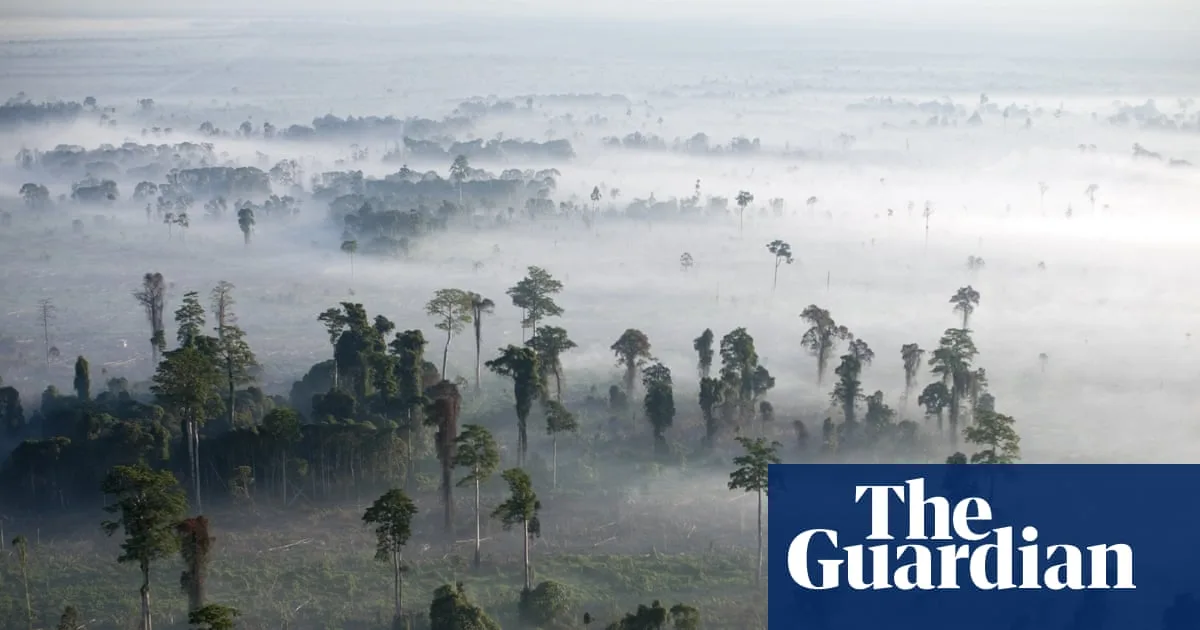
Catherine Weller of Fauna & Flora expressed shock at the extent of the cuts, noting that 'some good projects will now not be in contention.' The Darwin Initiative, launched in 1992 by John Major, has supported projects including reducing peatland fires in Indonesia and establishing Bhutan's national botanical garden.
Existing funds will not be cut, but the overall reduction is unclear. The cuts follow a UK-hosted international aid conference celebrating climate and nature spending. Conservationists warn this is likely the first of many cuts, as the UK also reduces climate finance and ends the nature earmark within it.
Adrian Gahan of the Campaign for Nature said the UK is reneging on vital commitments and harming its own national interests, especially as a spy chiefs' report warned that ecosystem collapses overseas pose a national security risk to the UK.