
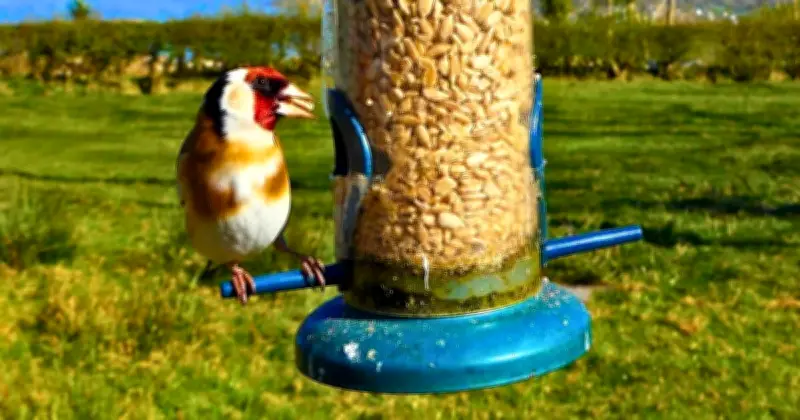
Gardeners are being urged to clean their bird feeders at least once a week with hot soapy water and a non-toxic disinfectant to help protect birds from a deadly disease. The warning comes from the wildlife charity RSPB, which says many British bird populations are dwindling partly because feeders are not being maintained properly.
Why regular cleaning is essential
Bird feeders can become breeding grounds for bacteria because birds that normally would not congregate are eating in the same place and leaving their droppings everywhere. If a feeder is not cleaned regularly, faeces can build up around the area, making it more likely the food will become contaminated and increasing the risk of disease spreading between birds.
The RSPB said: “Research has shown a worrying decline in some of our much-loved garden birds due to a disease called trichomonosis. This is a highly contagious disease and can spread where birds gather in large numbers, such as at bird feeders.”
Where to place feeders
Bird feeders also tend to get dirty quickly because most people have them in the wrong area of their garden. Moving them around regularly will help keep them cleaner. Taking just a few seconds each week to move a feeder helps stop droppings or seeds piling up in that space and will help prevent birds from eating contaminated food.
One of the biggest mistakes people make is placing feeders underneath areas where birds like to perch, such as trees or a shed roof, which are often exposed to more bird droppings. It might make sense to put a feeder near a nest, but it will simply cause the feeder to become dirtier at a faster rate, so you have to clean it more often.
Best surfaces for easy cleaning
Try to avoid placing feeders directly on soil and instead place them on a hard surface area as it will make them much easier to keep clean. Some of the absolute best places to put a feeder are on patios, paving slabs, or concrete as you can sweep up droppings or spilt seeds in just a few minutes.
It can feel like a lot of effort to keep birds safe, but a quick clean and regularly moving your feeder around the garden can make a real difference to British birds struggling in the summer heat.




