
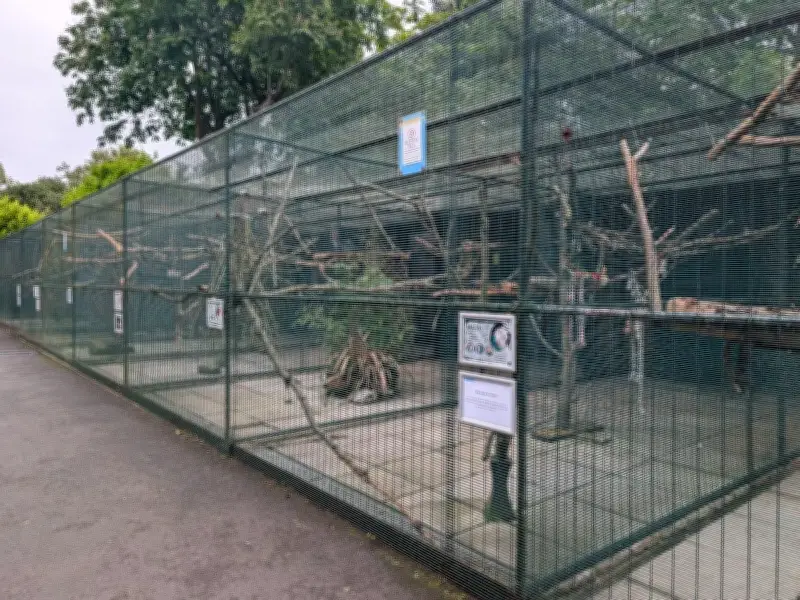
Sefton Council has enlisted the world’s largest animal rights group as it moves forward with the closure of an 87-year-old bird sanctuary. PETA (People for the Ethical Treatment of Animals) has joined the Born Free Foundation, the International Animal Protection Organisation In Defence of Animals and the Freedom for Animals organisation, as well as veterinary doctors, in giving their backing to the local authority over the decision to close the aviary at Churchtown Botanic Gardens.
Closure timeline and reasons
The council confirmed in July it would look to close the aviary in March next year as it is not keeping up with modern animal welfare standards expected for the birds in its care and the costs associated with maintaining its infrastructure are too great. Cllr Marion Atkinson, leader of Sefton Council, said efforts were made a decade ago to transfer the site off the borough’s books before they fell through.
The controversial decision continues to cause ructions in the community, with many criticising the council’s position to move forward with the closure. Efforts will be made to rehome the animals with suitably equipped organisations and euthanasia will not be considered, the council confirmed.
Animal welfare experts weigh in
Cllr Atkinson said: “Nobody is calling into question the care and kindness shown by staff and volunteers to these birds over the decades but the fact remains this facility is simply no longer in the best interests of the animals who are kept there. I have seen numerous comments from people telling us that this decision has nothing to do with animal welfare. Experts do not share that same view.”
Dr Carys Bennett, PETA’s senior corporate projects manager, said the organisation “applauds” Sefton’s decision to rehome the animals to facilities better able to meet their needs. She said: “Birds are not ornaments to be displayed. The aviary’s parrots, for example, are highly social animals who, in nature, live in flocks, fly long distances, forage for food, and make their own choices. Confining them with little stimulation does not respect animals’ best interests, or meet their social, psychological or physical needs. In the 80 years since the aviary was set up, our understanding of animals as individuals has advanced tremendously, and the urgency to protect wildlife, in the wild, has never been greater.”
Chris Lewis, captivity research and policy manager at international wildlife charity Born Free, added: “While we recognise the nostalgia and fond memories that local residents may have about the aviary, Born Free feels strongly that tradition should never be used as justification or a barrier for improving animal welfare or ending poor welfare practices which may once have been considered socially acceptable.”
Veterinary surgeon Dr Emma Milne said she felt the keeping of birds in aviaries was “fundamentally wrong.” She added: “We know that some of the cornerstones of animal welfare are freedom of choice and being able to express natural behaviours. Caging birds and restricting flight and social needs can’t be justified unless for clinical need. Add to this the exposure to people and the stress that may cause, and it’s easy to stand behind any initiative that seeks to close these establishments.”
Past attempts and future plans
Cllr Atkinson said discussions had taken place about the long-term future of the aviary with attempts made in 2016/17 regarding proposals from the Botanic Gardens Community Association (BGCA) to manage both the fernery and aviary on site. These did not materialise. A proposal was received by Rainbow Bird & Animal Rescue (RBAR) seeking a short leasehold of the aviary in 2019 before they withdrew their interest. BGCA has since helped support the running costs of the site.
Cllr Atkinson added: “It is fantastic to see such strong community passion for this rapidly ageing facility, and I hope that passion for animal welfare continues when we offer up the opportunity for people to be involved in the development of the site going forward as a nature space for native wildlife. We understand that the birds housed in the aviary will need to spend the rest of their lives in captivity, but they should be able to live their lives in peaceful captivity and not for public enjoyment.”




