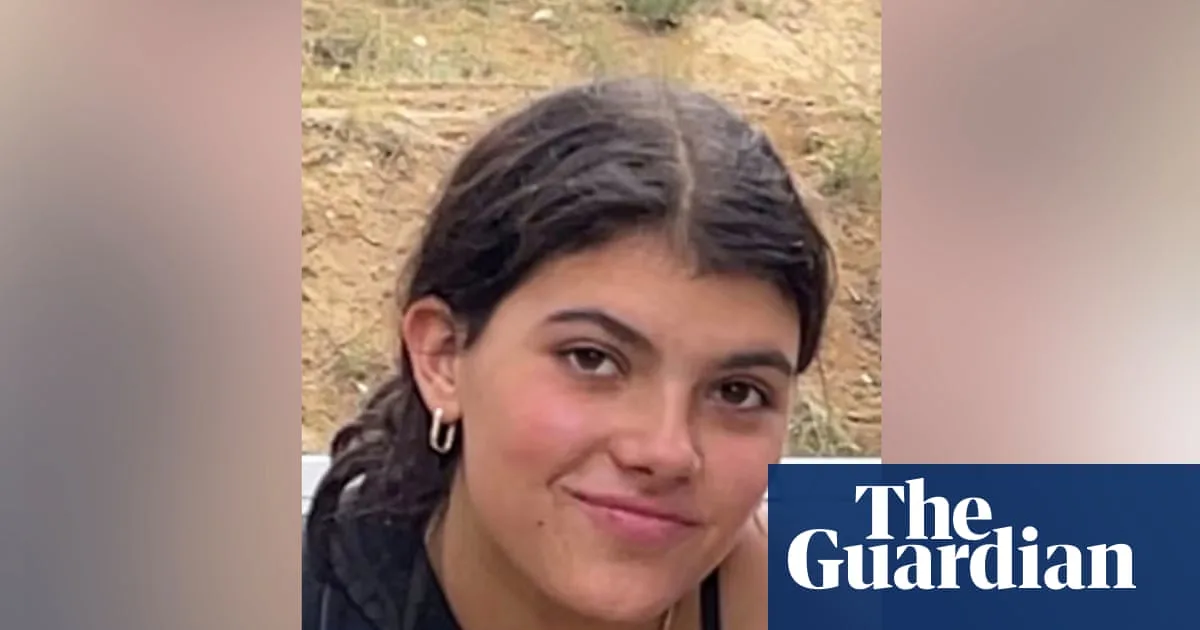
The Queensland coroners court has confirmed that Canadian backpacker Piper James died 'as a result of drowning' following a dingo attack on K'gari, the island formerly known as Fraser Island. The 19-year-old's body was found on a beach in January, and a forensic pathologist determined the cause of death as 'drowning in the setting of multiple injuries, due to, or as a consequence of a dingo attack'.
The court stated that the investigation into her death is ongoing, but noted that autopsy results showed 'physical evidence consistent with drowning and injuries consistent with dingo bites'. Pre-mortem dingo bite marks were not likely to have caused immediate death, and extensive post-mortem dingo bite marks were present. There is no evidence that any other person was involved.
Piper's parents, Todd and Angela, visited K'gari last month to participate in a traditional smoking ceremony conducted by the Butchulla traditional owners. Her father posted on Facebook that he wanted to 'walk where she last walked, and try to feel the spirit of my baby girl in some way'. Piper was last seen alive at around 5am on 19 January, when she told friends she was heading to the beach for a solo swim.
K'gari, home to about 150 humans and 200 dingoes, has seen increasing violent interactions between dingoes and humans in recent years. Following Piper's death, the Queensland government announced the entire pack of 10 dingoes linked to the incident would be euthanised, a decision that has drawn criticism from experts warning of an 'extinction vortex' for the island's dingo population.
Environment Minister Andrew Powell defended the cull as 'the right call in the public interest', while Piper's mother Angela said killing the dingoes 'is the last thing Piper would want', as she loved animals and knew they were there first. Central Queensland University senior lecturer Bradley Smith warned that the cull would have a 'devastating' effect on the population's ecology, which he said is on track for extinction in 50 to 100 years unless human behaviour towards dingoes changes.