A long-eared owl named Sunny has become an unintended casualty of Russia's war in Ukraine, losing an eye and a wing in a drone attack on Zaporizhzhia in February. Rescued by a passerby and now recovering in Dnipro with volunteer Veronica Konkova, the bird's plight underscores the broader toll on Ukraine's avian population.
Sunny's Rescue and Recovery
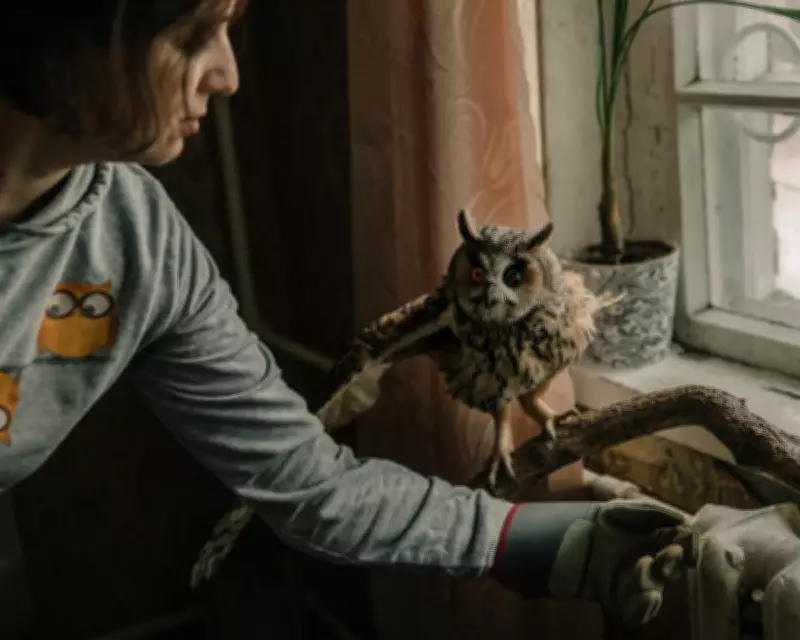
Sunny, a male long-eared owl, was found stunned and injured after a kamikaze drone strike. A passerby placed him in a box and transported him to Dnipro, where Konkova, a biologist, has been caring for him. The owl's left wing was so badly fractured it required amputation, and he also suffered brain trauma. Now unable to fly or hunt, Sunny hops around Konkova's home and will later be transferred to a rehabilitation centre in Kyiv.
Konkova has been rescuing wounded birds since 2015, including rare imperial eagles, peregrine falcons, buzzards, and various owls. Alongside Sunny, she cares for a screech owl named Plushka, which eats live cockroaches.

Impact of War on Birds
Russia's aerial war has devastated Ukraine's wildlife. Thousands of birds have been caught in nets erected to protect roads from drones, leading to dehydration or heart attacks. Owls are particularly vulnerable when hunting at night, becoming entangled in fibre-optic cables from Russian drones. Explosions, fires, and pollution have also killed many birds.
Ornithologist Oleksandr Ponomarenko reports that floodplains in the Dnipro-Oril nature reserve have dried up due to Russian attacks on hydroelectric dams, destroying feeding grounds. Species such as teal, ferruginous ducks, goldeneye, and white-fronted geese have disappeared. White storks, a national symbol, have seen a third of their nests empty, forcing them to breed on landfill sites.
Despite the devastation, some species are adapting. Jays use discarded fibre-optic cables as nest lining, and swifts and swallows continue to breed in frontline areas. A hunting ban imposed after the 2022 invasion has benefited pheasants, quail, partridge, roe deer, and badgers.
Conservation Challenges
Ukraine's environment ministry was abolished last year, and conservationists say protecting nature is a low priority. However, birdwatching remains popular, with livestreams of white storks attracting attention. Konkova remains optimistic: 'Nature will win anyway. Birds lived for millions of years before people. They will live, I guess, millions of years after people.'