
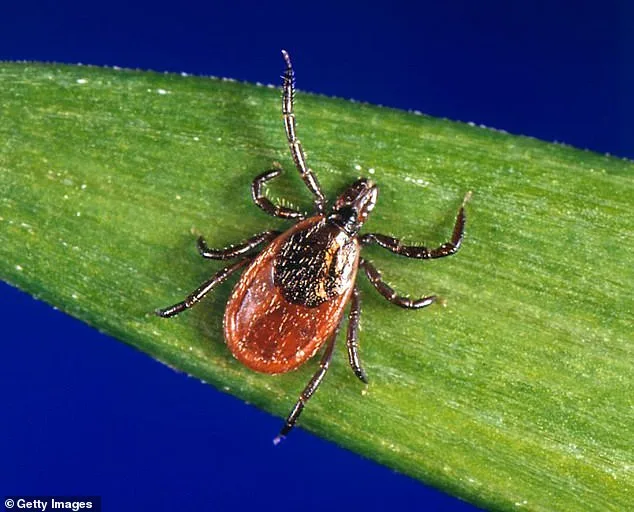
A nine-year study of ticks in New York has revealed that a lesser-known parasite, Babesia microti, is becoming more prevalent and may pose a greater threat than Lyme disease. Researchers from the Cary Institute of Ecosystem Studies and SUNY Upstate Medical University screened over 2,000 nymphal ticks in Dutchess County between 2014 and 2022 for 16 pathogens.
While Lyme disease was found in every sampling location and year, Babesia microti infected an average of 21 percent of nymphs, peaking at 42 percent in 2015—more than double the rates found in earlier surveys. The parasite causes babesiosis, a malaria-like illness that can be severe or fatal, especially in older adults and the immunocompromised.
Human cases of babesiosis in the Northeast have risen by roughly nine percent annually between 2015 and 2022, according to the study published in Ecosphere. Co-infection with Babesia microti and Lyme disease occurred more often than expected in seven of the nine study years, potentially making people sicker than either infection alone.
Researchers collected ticks by dragging cloths through forests and used RNA-based tests to detect pathogens. They also monitored white-footed mice and eastern chipmunks, which infect ticks with diseases. The number of larval ticks feeding on mice was the strongest predictor of infected nymphs the following year.




