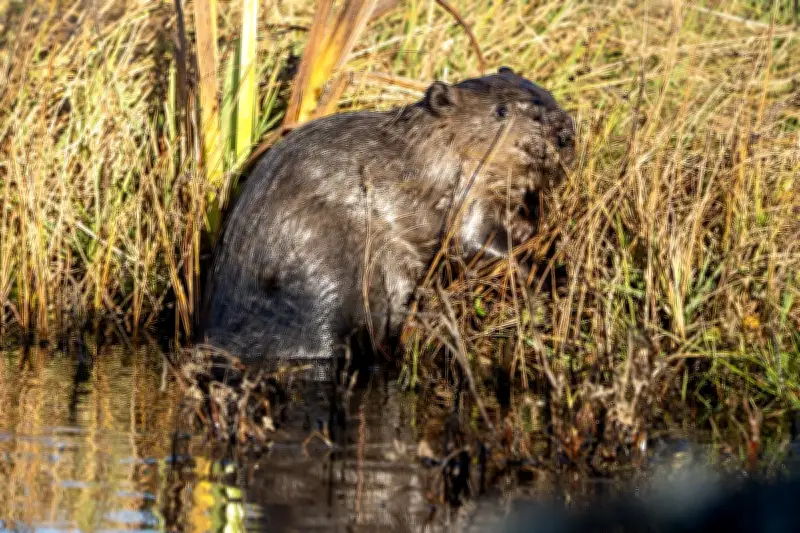
Beaver numbers in two regions of Scotland have risen sharply in recent years, according to a new survey. Across the Tayside and Forth areas, there are now 349 confirmed territories inhabited by the species, along with 56 other possible territories.
NatureScot says this marks a substantial increase compared with earlier counts, which recorded 39 territories in 2012, 114 in 2017/18 and 251 in 2020/21. If all 56 possible territories are confirmed, the total for 2026 would reach 405.
Survey details and findings
The survey, carried out between 2024 and 2026, covered 2,397km of waterways (1,489 miles) and found more than 20,000 confirmed signs of beaver activity. Half of the recorded activity was in woodland near the waterside, while 28% was on agricultural land.
This contrasts with the 2020/21 survey, when around two-fifths (41%) of activity was recorded on farmland and around a third (34%) on waterside woodlands. Because of the varying size of beaver groups, researchers were unable to provide a figure for the overall Scottish beaver population.
Benefits and challenges
Dr Roo Campbell, NatureScot mammal adviser, said: "Beavers bring many benefits for nature and people, so it's great news that this latest survey confirms that the population is continuing to expand into new areas."
"It's particularly interesting that more dams were recorded relative to the population size, perhaps an indication of beavers moving into less agriculturally dominated landscapes and smaller burns."
Dr Roisin Campbell-Palmer, head of restoration at Beaver Trust, which collaborated with NatureScot, said: "We're proud to have carried out what may be the largest survey of beaver activity ever undertaken. Covering 2,397km of waterways on foot and by canoe during 2024/25 took an enormous amount of time, effort and dedication from our team."
Alan Puttock, environmental scientist and lecturer at the University of Exeter, which also assisted with the project, said: "By applying a rigorous, systematic approach to surveying Scotland's largest wild beaver population, this survey, and the surveys that preceded it, give an incredibly valuable insight into the return of beavers to our modern landscapes."
An information pack on beavers in Scotland, launched by the Scottish Beaver Advisory Group, is available at www.nature.scot/scottish-beaver-advisory-group-sbag-resources.