
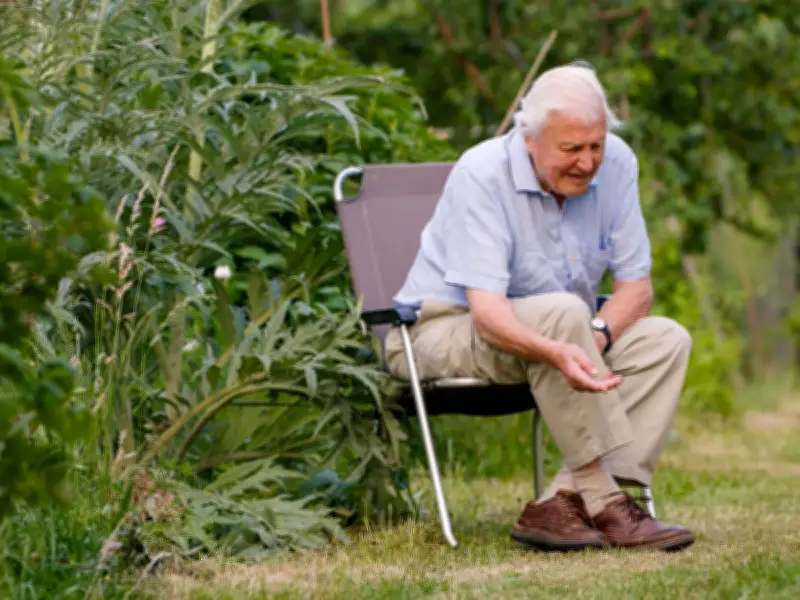
David Attenborough has urged gardeners to take a simple but effective step to support robins, blue tits, and other garden birds. The naturalist, who recently explored British gardens in his series 'Secret Gardens', suggests that fitting a bell to a cat's collar can reduce its hunting success by a third, sparing millions of birds each year.
Simple Steps for a Bird-Friendly Garden
According to Attenborough, some British gardens are as diverse as tropical rainforests. Whether you have a large plot, an allotment, or a small patch of grass, your outdoor space can significantly contribute to Britain's biodiversity. One quick measure with substantial impact is to position bird feeders at greater heights, beyond the reach of hunting predators. This improves birds' chances of accessing food safely.
Protecting Birds from Pets
Household pets, particularly cats, are a major deterrent for garden birds. Cats in Britain are estimated to catch and kill 55 million birds annually. Attenborough offers a straightforward solution: "A bell on the collar reduces pet cats' hunting success by a third." By fitting a bell this weekend, you can enjoy wildlife with reduced risk.
Attracting Robins and Blue Tits
To entice robins and blue tits, provide high-energy foods such as mealworms and fat balls, along with a reliable supply of fresh water. Blue tits particularly prefer hanging feeders, while both species depend on nesting boxes with compact entrance holes that are easy to access.
Let Your Lawn Grow Wild
Attenborough also recommends allowing your lawn and grass to flourish naturally. Many households participate in 'No Mow May', dedicating a month to let wildlife prosper. However, there is no need to limit this practice to May alone. In the first episode of 'Secret Gardens', a vole was shown trying to evade a robotic lawnmower, highlighting the real creatures that inhabit your garden, regardless of its size.
The series also features a contrasting garden at a thousand-year-old Oxfordshire mill house, where the owners have allowed their grass to grow wild, creating a sanctuary for otters, kingfishers, and mallards.
Why It Matters
Attenborough notes: "Our gardens cover a greater area than all of our national nature reserves combined." It is estimated that 80% of the population has access to some type of outdoor space, which can be modified to accommodate increased wildlife this summer.




