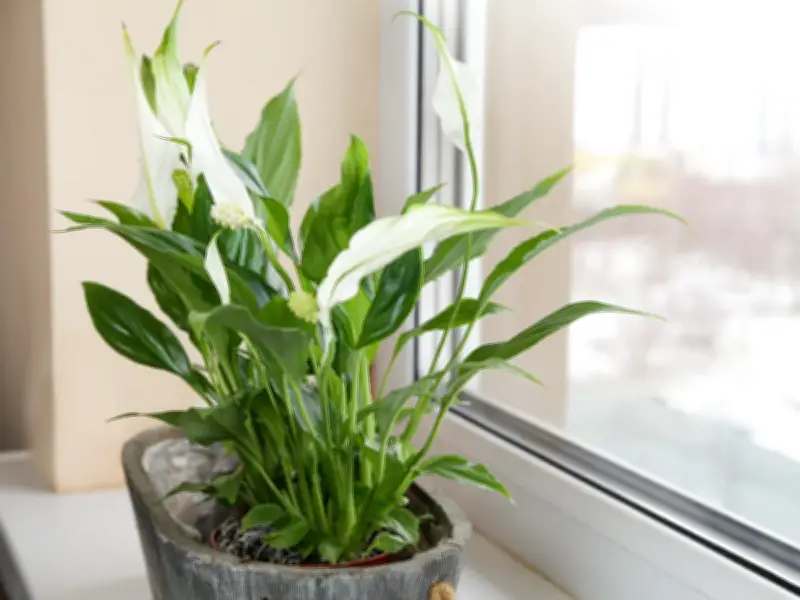
As colder months approach, households are keeping windows shut more often, leading many to wake up to condensation-covered panes. Left untreated, this moisture can rapidly develop into mould. The consequences of mould growth extend beyond aesthetics - it poses risks to both property and health, potentially triggering respiratory problems and causing structural damage. However, houseplants offer a natural solution, with certain varieties proving particularly effective at reducing condensation.
Gardening expert's advice on controlling moisture
Chris Bonnett from GardeningExpress.co.uk explained: "Condensation is a problem a lot of households will face during the winter. Too much of it can cause some serious problems and lead to mould growth."
"The good news is there are ways to control this and prevent condensation from forming in the first place. If your windows are particularly steamy, it means you need to bring down the moisture levels in your home and plants can help do this. Certain plants are a great natural solution to help balance humidity in the home and they look great too."
Top plants that absorb humidity
1. English Ivy - Thriving in bright, indirect light with regular watering, this plant requires one crucial precaution - its leaves are toxic to pets, so it must be positioned safely out of their reach.
2. Peace Lily - This stunning white-flowered variety thrives in high humidity, making bathrooms or kitchens ideal locations. It draws moisture directly from the air and doesn't require direct sunlight. Bear in mind, though, like English Ivy, it can be harmful to pets.
3. Palms - These eye-catching plants excel at drawing moisture through their foliage. Recommended varieties include Areca palms, bamboo palms, the lady palm, dwarf date palm and reed palm.
4. Boston Fern - The Boston Fern flourishes in damp conditions and will naturally draw air moisture while balancing humidity levels throughout your home. All it requires is indirect sunlight and consistent watering.
5. Snake Plant - Often referred to as mother-in-law's tongue, this resilient and versatile plant is another moisture-loving option. It thrives in your bathroom with bright light but adapts well to low-light conditions.
6. Orchids - Beyond their aesthetic appeal, orchids also help reduce household humidity. They extract all their nutrients and moisture directly from the surrounding air.
7. Spider plant - This well-loved houseplant excels at eliminating harmful pollutants indoors. It's straightforward to maintain too, requiring watering approximately once or twice weekly. Given its low-maintenance nature, it's an excellent choice for beginners.