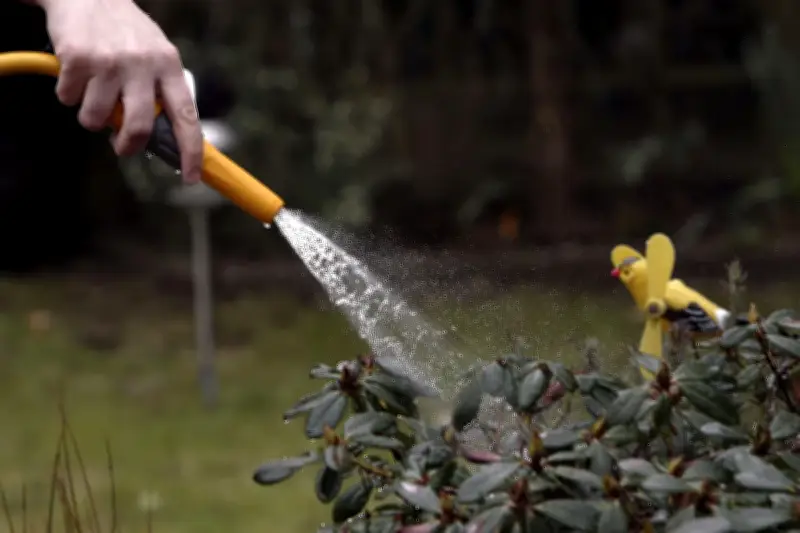
Millions of Londoners will remain under a hosepipe ban throughout autumn as reservoir levels stay far below what they should be at this time of year.
With ground conditions the driest in 25 years, Thames Water says "substantial" rainfall is needed throughout the autumn and winter before the ban can be lifted. The utility giant is urging consumers to make eight "small" changes it says would protect limited supplies and cut household bills.
Rainfall well below average
In the Thames Water catchment area, which covers most of Greater London, September rainfall was just 50% of the long-term average at 29.7mm. The first week of October saw only 1% of average rainfall.
A Thames Water spokesperson said: "The ground is the driest it has been since 2001, with groundwater levels low and river flows below average. Farmoor Reservoir at 68% storage on 6 October, and total London reservoir storage at 54%."
Urging customers to save water
The Environment Agency says reservoirs should be at 75% capacity at this time of year.
Andrew Tucker, water demand reduction manager at Thames Water, said: "As autumn sets in and leaves start to fall, it can be easy to think the need to save water has passed, but our water resources remain under pressure after an exceptionally dry period.
"We’re grateful to customers for the steps they have already taken to reduce demand, and the hosepipe ban remains in place while conditions recover. We need everyone to keep saving water where they can, at home, at work and in the garden."
"Small changes, such as taking shorter showers, turning off taps and only running full loads in washing machines and dishwashers, can make a meaningful difference across millions of homes and businesses. They can also help households reduce the amount of hot water they use, which can support lower energy bills during the colder months."
Eight changes urged
Thames Water wants customers to make the following changes:
- Cut showers by two minutes.
- Install a water-saving showerhead.
- Turn off the tap while brushing your teeth.
- Don't keep tap running while washing up.
- Install tap inserts and kitchen swivel taps.
- Wait until you have a full load of washing and use eco cycle.
- Fix leaking toilets and dripping taps.
- Fit a dual-flush toilet or save-a-flush device.