
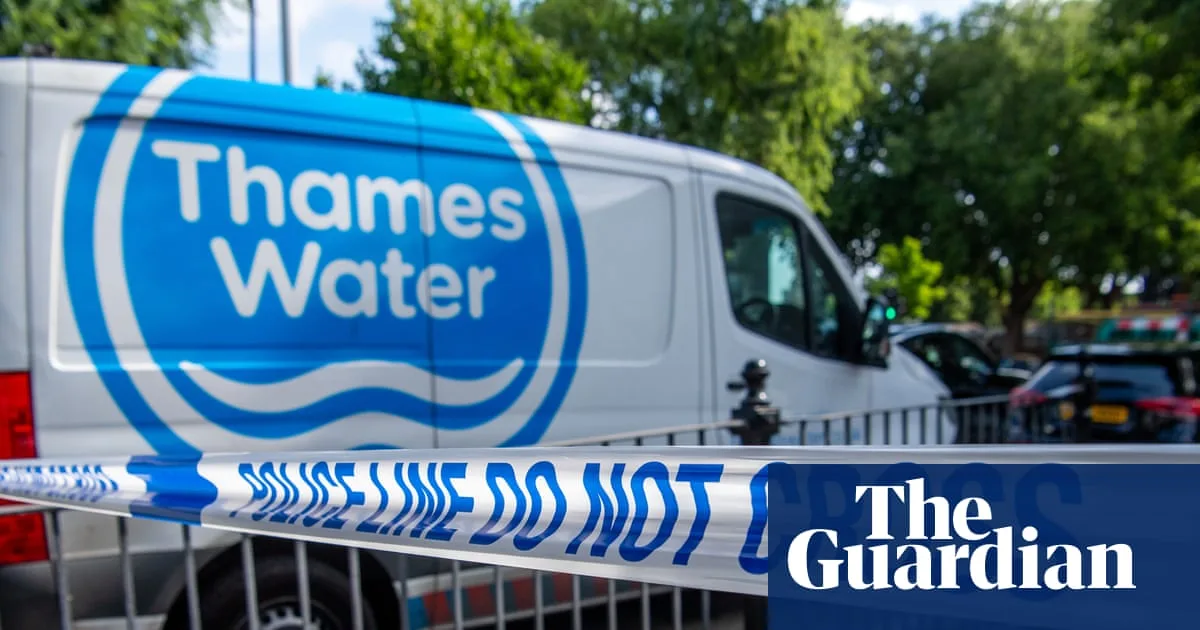
Thames Water has warned that crisis talks to secure its financial future are taking "longer than expected" and will extend into 2026, raising the prospect of a collapse into temporary government control. Britain's largest water utility, serving 16 million customers in the South East, reported a swing to profit of £414 million for the six months to September, compared with a loss of £149 million in the same period last year, after bills rose by nearly a third. However, the company cautioned there is "material uncertainty which may cast significant doubt" on its ability to continue as a going concern.
The utility, burdened by £17.6 billion of net debt, faces a standoff with its lenders, who have asked regulator Ofwat and the government for leniency on future pollution fines, arguing that the prospect of hundreds of millions in extra costs is hindering a turnaround. The creditors, led by hedge funds including Elliott Investment Management and Silver Point Capital, have proposed a formal takeover that would require regulatory concessions. Without such a deal, a special administration regime (SAR) – a form of temporary nationalisation – "could occur in the very near term," Thames said.
Revenues rose 40% to nearly £2 billion after the company was allowed to increase customer bills by 31% in April. Investment rose 22% to £1.26 billion, funded by the bill hikes. Thames reported a 20% reduction in sewage spills to 292 incidents, though complaints surged 75% to over 55,000 due to the price rise. The company also paid £57 million in advisory fees to bankers, lawyers, and PR consultants during the period.
Chief executive Chris Weston said: "The first half of this year has been shaped by good progress across all areas of our operational transformation. We continue to work closely with stakeholders to secure a market-led solution." The government has so far resisted granting regulatory leniency, while ministers are keen to avoid taking control under an SAR. Thames narrowly avoided collapse earlier this year after securing court approval for a £3 billion emergency funding plan, which wrote down some debts to zero.




