Neglected Plantation Waterways Exacerbate Hawaii Floods, Sparking Blame Game
Neglected Plantation Waterways Worsen Hawaii Floods

Neglected Plantation Waterways Exacerbate Hawaii Floods, Sparking Blame Game

Residents of North Shore Oʻahu assert that neglected plantation-era ditches and culverts have significantly worsened recent flooding events, with no clear consensus on who should undertake the necessary repairs. The historic rainfall that battered the region last weekend may have been unavoidable, but locals argue the extent of the damage was amplified by clogged and overgrown waterways originally built for irrigation over a century ago.

Exhaustion and Frustration Amid the Wreckage

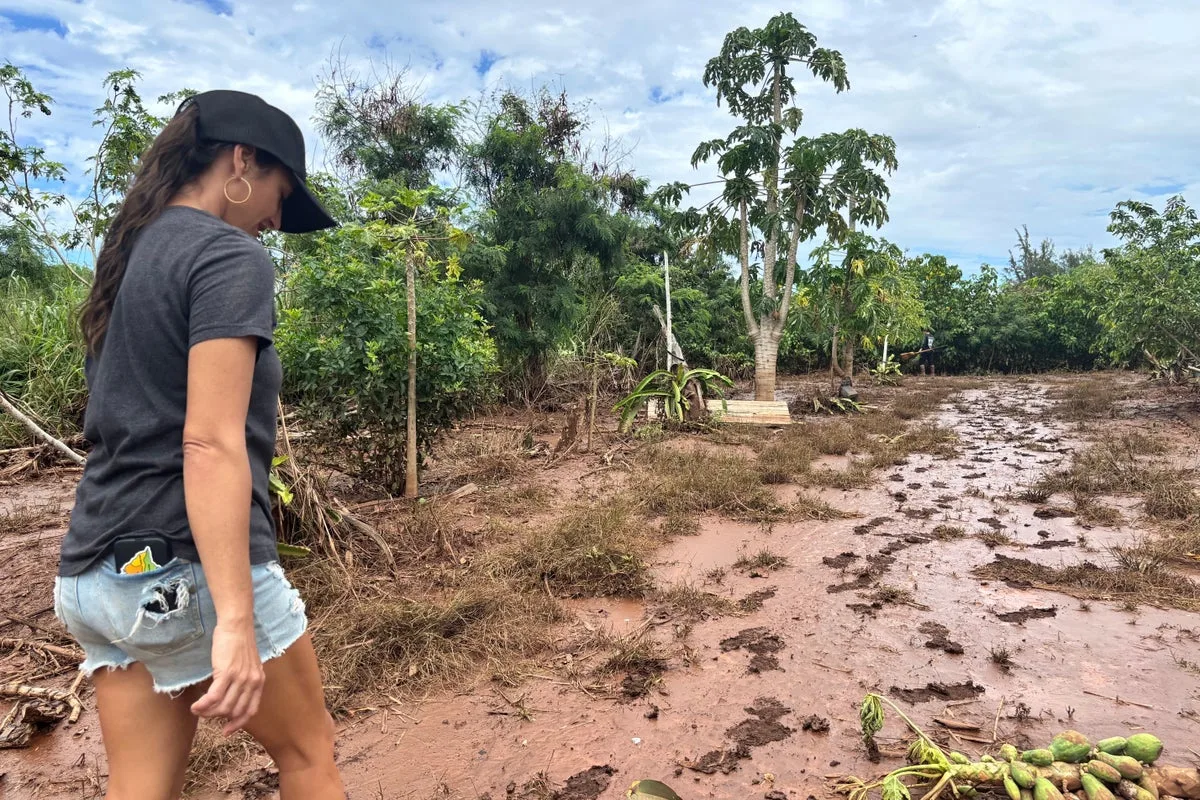
Sarah Ghio, a farmer living off-grid on leased land once owned by Dole Food's sister company Castle and Cooke, exemplifies the community's plight. Her farm is surrounded by aging irrigation ditches from the pineapple plantation era, now choked with invasive weeds. These ditches merge with natural streams to carry water through fields to the ocean, but recent Kona low storms have overwhelmed the degraded system.

"These guys made money off these systems for years. Then when they aged out, they neglected them," Ghio stated, expressing a widespread sentiment. "I don't hate them. I just know we have to manage the problem when they start turning things over: Who's responsible for this canal and what are the roles and responsibilities, and are there gaps and who's accountable? We definitely aren't."

Wide Pickt banner — collaborative shopping lists app for Telegram, phone mockup with grocery list

Many residents describe a frustrating "goose chase" when seeking answers, as government departments refer them to other county and state agencies. Amid the wreckage, tempers are rising, with demands for accountability directed at large uphill landowners, government officials, and Dole, which has sold off thousands of acres in recent decades.

A Complex Mosaic of Ownership and Neglect

The natural drainage patterns on Oʻahu's North Shore were dramatically altered in the late 1800s when plantations constructed more than 30 miles of irrigation ditches, dug at least 15 smaller reservoirs, and drilled into the aquifer. This complex web was designed to irrigate sugarcane and pineapple crops. With the closure of the Waialua Sugar Company forty years ago, Dole's need for water waned, and the infrastructure fell into disrepair.

Today, the land is a patchwork of ownership, home to small farmers, subdivisions, and fallow tracts. Over 150 farmers tend crops on small plots of the former Dole plantation, while a neighboring subdivision includes at least 25 more part-owners. Agribusiness giant Corteva Agriscience uses 2,300 acres for seed development. Dole land sales in the area totaled at least $43 million between 2004 and 2022.

Dole has attempted to offload the water infrastructure for over a decade. A 2014 state report found at least 3 of the 30 miles of irrigation infrastructure still owned by the corporation in disrepair, with repair costs estimated at over $8.3 million. The company did little to improve the Wahiawā reservoir's spillway and dam, even after a $20,000 fine in 2021 for failing to address deficiencies identified twelve years earlier.

Confusion Over Responsibility and Function

State law is explicit: landowners must manage waterways on their property, including culverts, ditches, and bridges. On public lands, it's the responsibility of state and county agencies. However, the Commission on Water Resource Management, which regulates Hawaiʻi's water, operates alongside a patchwork of other state and county groups, creating regulatory confusion.

It remains unclear when waterways leading to the North Shore were last inspected. Inspections are driven by complaints and permit applications, and there is no record of enforcement actions in the water commission's bulletin for North Shore irrigation systems. Disclosure requirements mandate that upkeep of waterways must be communicated at sale, but many property owners and farmers are unsure of their maintenance duties.

"The whole water system is connected," said State Representative Amy Perruso, who represents the area. "All of these failures to act are compounded."

Pickt after-article banner — collaborative shopping lists app with family illustration

The City and County of Honolulu recognized the area as underserved by stormwater resources in its 2023 strategic plan, though it focused on urban areas and did not specifically mention irrigation ditches. A 2019 state report described the ditches around Waialua as elements of a flood control system, but state engineers recently contradicted this, stating the system was never designed to mitigate floods.

Immediate Dangers and Long-Term Neglect

During the floods, the Wahiawā reservoir dam triggered an evacuation order when water levels reached heights that risked catastrophic collapse. The state has since agreed to acquire the reservoir, and negotiations for the dam, spillway, and irrigation system are slated to begin.

Downstream, residents of hard-hit areas like Kukea Circle believe water flowed directly from overwhelmed ditches. Developer Peter Savio, who purchased land north of Farrington Highway in 2022, disputes that farmers are solely responsible. "The government says it's the farmers' responsibility, and I disagree. The water is not coming from the farmers' land," he said, blaming mismanagement upstream.

Zaz Dahlin, a member of the Mill Camp farmers' committee, noted that small farmers generally irrigate with Dole well water, making it unfair to expect them to maintain a ditch system they don't use. A drive along Farrington Highway revealed nearly 20 drains clogged with debris, downed trees, and invasive species like California grass, all funneling into a single outlet at a beach access.

Calls for Systemic Change and Accountability

The North Shore has faced chronic flooding for years, with lawmakers sporadically proposing solutions since at least 1993. Honolulu's 2019 strategic stormwater plan highlighted a serious maintenance backlog islandwide and the need for significantly more funding than the then-$97 million annual budget.

Residents like Ghio are now advocating for real, functional stormwater infrastructure. "We really need to work as a state and need to make the systems function better and make sure they're adequate," she said, noting the burden of maintaining plantation-era systems is immense for modern agencies.

Representative Perruso pointed to a lack of political will and enforcement, describing the situation in her constituency as "100% the wild, wild west." She also cited issues with unpermitted structures on agriculturally zoned land and diversions of waterways by both small residents and large players.

Some suggest adopting a watershed approach, similar to flood authorities in states like Florida or Texas, to transcend jurisdictional lines and improve management. Dave Dutra Elliot of Agriculture Stewardship Hawaiʻi emphasized, "The farmers are doing a lot. They're willing to do more, but it's unfair... We need the government to step forward and work alongside them."

As the community grapples with the aftermath, the future remains uncertain. With mud-caked fields and minimal insurance, residents like Ghio are left to wonder how to prepare for the next flood, highlighting the urgent need for coordinated action and clear accountability in managing Hawaiʻi's aging water infrastructure.




