
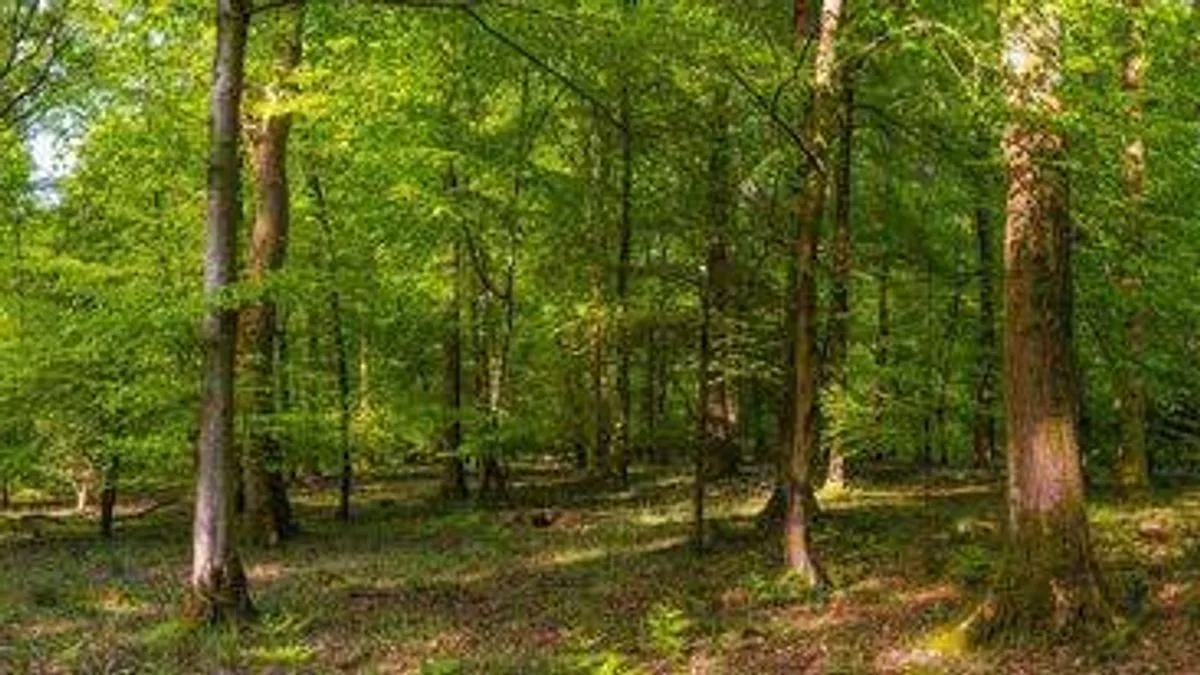
Autumn walks in UK woodlands can be hazardous due to the presence of highly toxic plants, experts warn. David Denyer, a flower expert at Eflorist, has identified 11 dangerous flora that pose risks to humans and pets.
Deadly nightshade, also known as Belladonna, is one of the most poisonous flowers in the UK. Its glossy black berries can cause hallucinations, seizures, and even death if ingested. The plant flowers between June and September, and its berries resemble harmless elderberries or blackcurrants.
Foxgloves, with their towering purple, pink, and white blossoms, can be fatal if eaten. Symptoms of poisoning include nausea, vomiting, stomach pain, dizziness, and irregular heartbeat. Gardeners are advised to wear gloves when handling foxgloves as they can irritate the skin.
Monkshood, or wolfsbane, is one of the most poisonous plants in Europe. The poison can trigger an irregular heartbeat and paralysis from skin contact alone. It flowers from late summer through October and is often mistaken for delphiniums.
Autumn crocus, which blooms around Halloween, contains colchicine, a poison that can cause kidney and liver failure if eaten. The yew tree, every part of which is extremely poisonous, should not be planted where children or pets roam freely, as fallen clippings can be dangerous to grazing animals.




