Two roofless houses on Cairns Street in Toxteth, once beyond repair, have been transformed into the Granby Winter Garden, a community hub that has become one of the most idyllic locations in the city. The project was led by the Granby Community Land Trust (GCLT) and London-based architecture firm Assemble.
From Dereliction to Community Hub
During its heyday, Granby was bustling with shops on every corner, but by the 2010s, years of decline had seen a number of families move out of Cairns Street, with homes boarded up and slowly crumbling away inside. In 2011, the Granby Residents Association transitioned into the GCLT, a non-profit organisation that acquires and manages land on behalf of a local community.
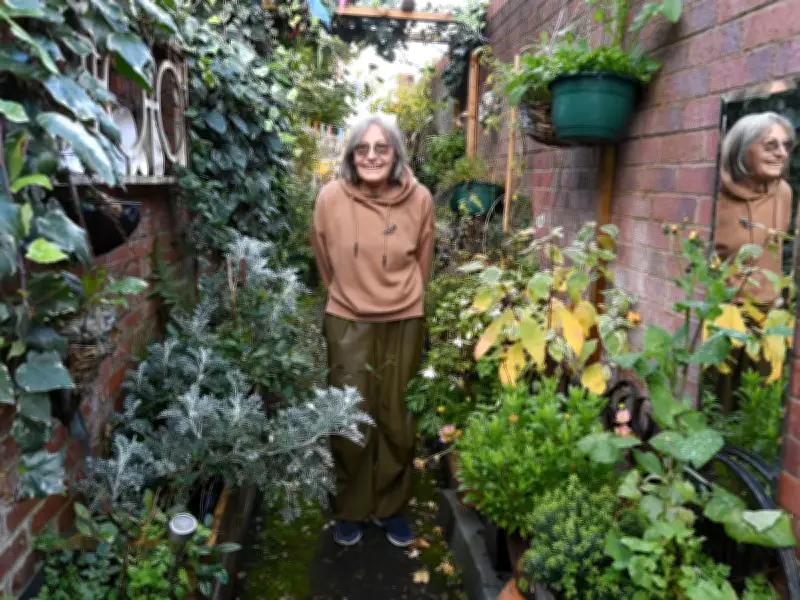
Led by Hazel Tilley, 71, and other local residents, the aim to acquire derelict properties on Cairns Street was given a boost when a £500,000 loan from a private benefactor, matched by Power to Change, enabled the GCLT to buy 10 derelict houses for just £1 each. The GCLT then refurbished five of the homes with the help of Assemble and sold them for exceptionally favourable fees.
Creating the Winter Garden
However, homes located at 37-39 Cairns Street were simply beyond repair. Instead of leaving them to suffer further, the GCLT and Assemble turned them into an indoor garden. Tilley told the ECHO: "They had no roofs, no floors, and there was no way that we could do them up for the budget that we had. And that was when we started to think differently, and we thought of turning it into an indoor garden, because it was covered in pigeon pooh and had a tree growing inside. We thought it might be nice to put a glass roof on and to do this, and the Arts Council agreed, and we built the Winter Garden, and it was mostly funded by the Arts Council and various other small grants."
Since then, the Winter Garden has run regular exhibitions, including upcoming photographs from Princes Park. Tilley said: "We like to look at the culture around us, so there's a good Jamaican culture, we've got a lot of Muslim people here from Somalia, the Yemen, all over the world. We have Chinese, Jamaican, Liverpool-born Black people of African origin. We try and always use the cultural activity that is already here [in Granby], so as far as possible, we go with local artists. And we also run a whole series of programmes, we do regular yoga, we have a very full calendar."
A Space for Culture and Community
The Winter Garden hosts dance classes for beginners on Fridays, run by a professional dancer named Maxine. Tilley added: "We're doing stuff around Caribbean Carnival revival, because we don't want to forget that the first people here in this area were from the Caribbean and Africa, and it's really important that that's remembered, so to try and revive Caribbean Carnival again, because that was always great."
Tilley believes the Winter Garden is more than just a venue. She said: "When people first step in, they go, 'Wow,' which is what you want to hear, because you just look up, there's the chandelier created by local artist Nina Edge. And nobody wants us to take it down because they love it. It was only commissioned for 12 months, and it's been up for seven years because people love it, they don't want it to come down."
"The Winter Garden's not just familiar to the volunteers, it's familiar to everyone in the street, because they'll pop their heads in when the door's open, just to say 'hello, I'm going the shops, how are you doing?' So, people are familiar with it, and I think that the familiarity, the swish space and the unusual thing that we've done with it brings it together."
After opening to the public in 2019, the Winter Garden has become an integral part of the community. Reflecting on its journey, Tilley said: "It's an act of defiance, but it's also an act of resilience and survival. And poor areas are known for producing resilient people who survive. The Winter Garden provides a safe, non-political, non-denominational space. Whoever comes into this building, whatever is happening outside, we treat each other with respect and understanding inside the building. I think every street should have something like this."