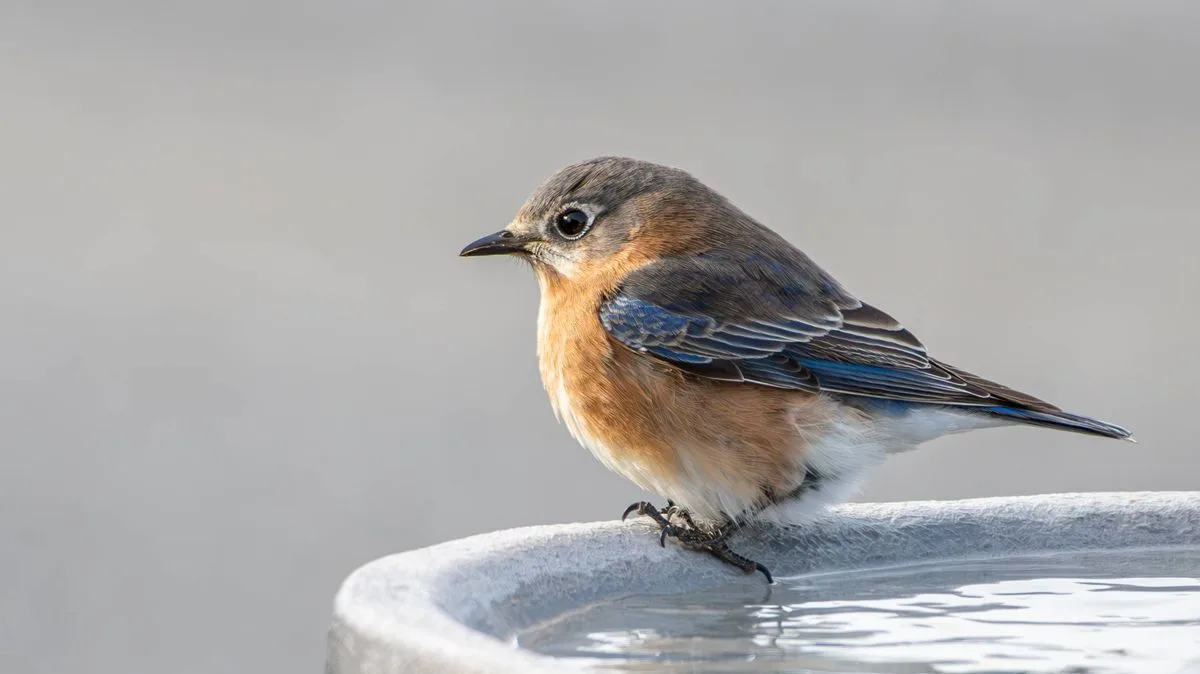
Gardeners Urged to Use White Vinegar for Birdbath Cleaning This Spring
White Vinegar: The Natural Birdbath Cleaner for Spring

Gardeners Urged to Use White Vinegar for Birdbath Cleaning This Spring

As temperatures rise this spring, birdbaths become crucial havens for local wildlife, providing a secure drinking spot for birds. However, sunny conditions often lead to rapid algae growth, leaving these features grimy and potentially hazardous. Experts now urge gardeners to adopt a simple, natural solution: white vinegar.

The Problem with Algae and Harmful Cleaners

Algae thrives in warm water, creating slimy environments where bacteria and parasites can flourish, rendering drinking water dangerous for birds. Many gardeners mistakenly turn to bleach for quick cleaning, but this chemical is highly toxic to birds. Even small amounts can injure them and strip natural oils from their feathers, causing dehydration and flight difficulties.

Social media hacks like dropping pennies into birdbaths are also ineffective and harmful, as the zinc in the metal poses risks to avian health.

Wide Pickt banner — collaborative shopping lists app for Telegram, phone mockup with grocery list

Why White Vinegar Is the Ideal Solution

James Theodore from Water Fountain Online explains that white vinegar is the best natural cleaner for birdbaths. Unlike bleach, it is a mild acid that effectively tackles algae without threatening wildlife. "White vinegar is the best natural cleaner you can use. Unlike bleach, which is highly toxic if not rinsed perfectly, vinegar is a natural acid that is tough on algae but safe for wildlife," he stated.

Its benefits include:

  • Safe for birds to drink if any residue remains
  • Does not harm feathers or natural oils
  • Eco-friendly and chemical-free
  • Requires minimal effort, cleaning a birdbath in 10-15 minutes

Step-by-Step Guide to Cleaning with White Vinegar

Follow these simple steps for a spotless birdbath:

  1. Mix nine parts water with one part white vinegar in a bucket. For heavily soiled birdbaths, use equal parts vinegar and water.
  2. Empty any dirty water onto the ground before pouring the vinegar solution into the birdbath.
  3. For stubborn algae or large birdbaths, use a high-pressure hose first to loosen debris.
  4. Allow the vinegar to sit for 10-15 minutes to break down algae.
  5. Scrub with a sponge or bristle brush; remaining algae should slide off easily.
  6. Let the birdbath dry fully in the sun before refilling with water.

James added, "UV sunlight is a powerful natural sanitiser that kills remaining bacteria." This ensures the birdbath is germ-free and safe for use.

Maintenance Tips for Ongoing Care

To prevent algae buildup, clean your birdbath once a week or every few weeks. Regular maintenance not only keeps the water clean but also supports local bird populations by providing a healthy drinking source throughout the spring and summer months.

By adopting this natural method, gardeners can contribute to wildlife conservation while maintaining a beautiful garden feature. Remember, avoiding harsh chemicals like bleach and ineffective hacks is key to protecting our feathered friends.

Pickt after-article banner — collaborative shopping lists app with family illustration




