As summer approaches, many outdoor enthusiasts may be apprehensive about encountering large crowds at America's treasured national parks. However, emerging research suggests that this influx of visitors might actually enhance, rather than diminish, the overall experience through a phenomenon known as "communitas."
Challenging a Century of Assumptions
For over a hundred years, a prevailing narrative has suggested that national parks are becoming overcrowded, with some voices even declaring they are being "loved to death." This perspective dates back to influential figures like Aldo Leopold, who in 1935 described parks as "over-crowded hospitals" dealing with an "epidemic of esthetic rickets."
However, scholars Will Rice from the University of Montana and Bing Pan from Penn State argue that this viewpoint is fundamentally flawed. Their analysis indicates that the presence of other visitors often creates opportunities for shared experiences that can significantly enrich one's time in nature.

The Communitas Phenomenon
The concept of "communitas," coined by anthropologist Victor Turner, describes the spontaneous sense of community and togetherness that emerges among people sharing a journey or pilgrimage. This phenomenon is increasingly observed in national park settings.
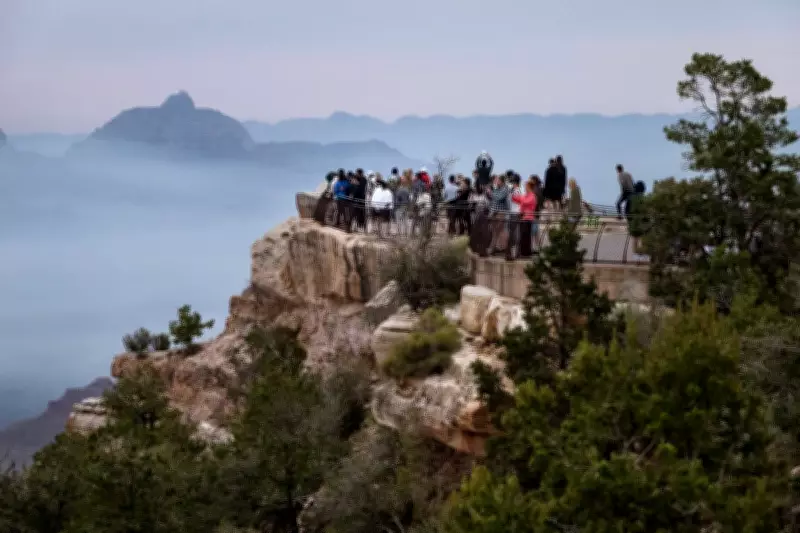
Consider a morning hike on the Bright Angel Trail in Grand Canyon National Park. Despite numerous visitors, researchers observed families sharing trail insights, hikers lending binoculars to spot wildlife, and strangers collectively marveling at a soaring California condor. These interactions created a sense of shared purpose rather than crowding.
Visitor surveys conducted in the Cleveland National Forest during summer 2025 revealed a significant correlation:- The more people experienced communitas
- The less likely they were to report feeling crowded
- The more positive their overall park experience became
A Historical Perspective on Shared Spaces
Interestingly, the value of shared national park experiences was recognized long before the crowding debate began. In 1922, conservation advocate Robert Sterling Yard emphasized how park settings naturally dissolve social barriers, creating what he called "the common America."
Yard described how around campfires, "a California grape grower, a locomotive engineer from Massachusetts, and a banker from Michigan" could connect without the social distinctions that typically separate them in daily life.
Reframing the Visitor Experience
The research suggests that crowding is not an objective condition but rather a subjective perception influenced by individual perspective. When visitors view others as different from themselves, they're more likely to feel crowded. However, by reframing these interactions as opportunities for shared experience, they open themselves to communitas.
Key factors that influence whether people experience crowding or communitas include:- How visitors perceive social differences among fellow park-goers
- Whether they view interactions as intrusions or opportunities
- The extent to which they embrace the collective nature of the park experience
Practical Applications for Summer Visitors
This summer, researchers encourage national park visitors to approach their experiences with a new mindset. Rather than seeing crowds as obstacles, consider them as fellow participants in a shared natural pilgrimage.
Imagine watching Old Faithful erupt alongside hundreds of others in Yellowstone, sharing a sunrise from Cadillac Mountain in Acadia National Park with fellow early risers, or experiencing the Grand Canyon's majesty simultaneously with first-time visitors from around the world.
Most importantly, visitors can actively cultivate communitas by:
- Pointing out wildlife sightings to nearby visitors
- Sharing resources like binoculars or trail information
- Offering to take photographs for other families
- Engaging in brief, friendly conversations at scenic viewpoints
By embracing this perspective, national park visitors may discover that what they previously perceived as crowding is actually an opportunity to connect with fellow nature enthusiasts and experience America's natural wonders through a collective lens of awe and appreciation.