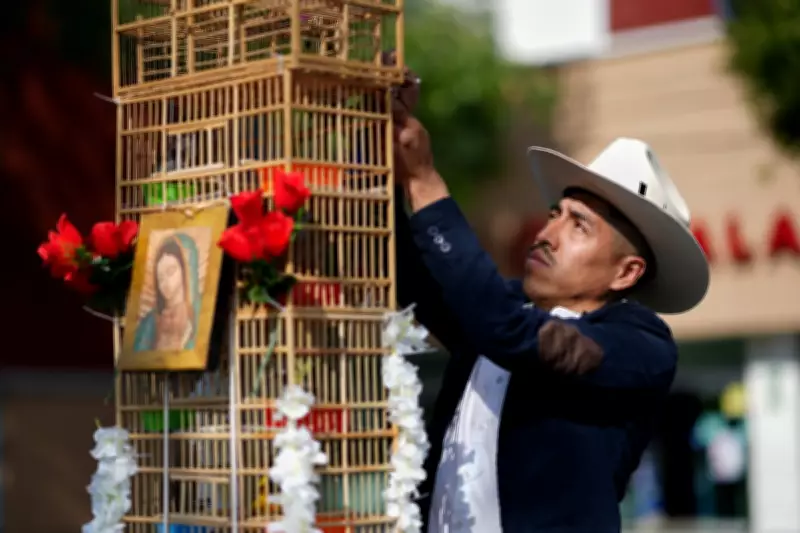
For over three decades, Cruz Monroy has navigated the streets of a small town on the outskirts of Mexico City, balancing a towering stack of small cages filled with a vibrant array of birds. The melodies of red cardinals, green and blue parakeets, and multicolored finches define the daily lives of "pajareros," the street bird vendors who have been a fixture in Mexican markets for generations.
A Generational Legacy Under Threat
The act of selling birds in stacks of cages, often reaching heights far greater than the men who carry them, spans back multiple generations. These vendors are part of a vast network of approximately 1.5 million street vendors working across Mexico, contributing to the cultural and economic fabric of the nation. "Hearing their songs, it brings people joy," Monroy explained, with dozens of birdsongs echoing around him from his home where he cares for and raises the birds. "This is our tradition; my father was also a bird-seller."
Religious Celebrations and Cultural Significance
During the Catholic holiday of Palm Sunday, hundreds of pajareros from across Mexico converge on Mexico City. They decorate towering stacks of cages, some reaching ten feet tall, with bright flowers, tinsel, and images of the Virgin of Guadalupe, the country's patron saint. Accompanied by their families, they walk miles through the capital's streets to the iconic basilica, showcasing a tradition deeply intertwined with faith and community.

Mounting Pressures and Criticism
However, in recent years, the number of pajareros has steadily declined due to increasing restrictions from authorities and sharp criticisms from animal rights groups. These organizations label the practice as animal abuse and trafficking, arguing that it exploits wild birds. Monroy and other vendors counter that they do not capture prohibited species like parrots, which Mexican authorities classify as "wild birds, not pets." Instead, they often breed the birds themselves and emphasize their commitment to proper care.
The End of a Family Tradition
Despite their efforts, Monroy acknowledges that the tradition is dying out within his own family. Faced with harassment from authorities and mounting public criticism, he hopes his sons will seek more stable employment. "Because of the restrictions and harassment by certain authorities, many friends have left selling birds behind," Monroy stated. "For my children, it's not stable work anymore. We have to look for other alternatives."
This shift reflects broader challenges for street vendors in Mexico, as cultural practices collide with modern regulations and evolving societal values. The future of the pajareros remains uncertain, with their iconic towers potentially fading from the streets forever.