Gardeners are being urged to put cardboard in their gardens this November as part of a no-dig technique that suppresses weeds, locks in moisture, and improves soil quality without disturbing the earth.
As winter approaches and plants enter a dormant state, the usual gardening chores of deadheading, pruning, and weeding naturally slow down. Giving the plot a rest over the colder months is vital for garden health, as digging up wet, freezing ground can wreck its structure, causing compaction and clumping that suffocates plant roots, ruins drainage, and kills beneficial soil life.
However, experts are encouraging Brits to head out with old cardboard boxes before the deep winter freeze takes hold. Horticulture content creator Amy May, on YouTube, detailed the benefits of the “cardboard method,” also known as sheet mulching.
What is the cardboard method?
Amy’s “no-dig” technique is a budget-friendly, eco-conscious way to suppress stubborn weeds, lock in moisture, and dramatically improve soil quality. By layering plain cardboard over beds, sunlight is blocked out, starving unwanted weeds, while the cardboard slowly decomposes into a rich, fertile feed for the soil underneath.
If you want to create a new growing area or rejuvenate existing beds ahead of spring, these are the steps to take this November.
How to master the cardboard method
1. Prep the ground: Start by cutting back tall weeds and grass. Clear away debris, large rocks, or tree stumps so the surface is relatively flat and ready for coverage.
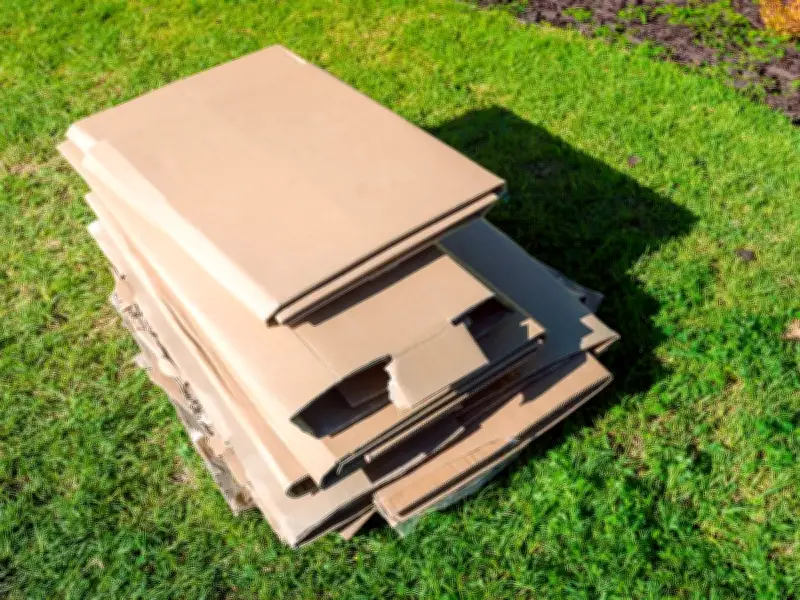
2. Lay the foundations: Lay leftover delivery boxes flat over the soil. Use plain, brown cardboard and strip away any plastic tape, staples, or glossy artificial labels. Overlap the edges by about four inches so no sunlight can peek through, and give the cardboard a good soaking with a watering can to kick-start the breakdown process.
3. Layer it up: Spread a generous layer of organic matter on top—compost, fallen leaves, or grass clippings. Finish with a thick layer of mulch over the top to weigh everything down and hold it in place.
4. Let nature take its course: Leave the sheet mulching to rot down naturally over the freezing months. By spring planting season, you will have rich, weed-free soil. For an extra boost, water the layers during dry winter spells to speed up decomposition.