Gardeners hoping to transform their outdoor spaces next summer are being urged to plant roses in November, as this month marks the beginning of the bare-root rose season.
Roses are a favourite in British gardens, adding colour, fragrance and a traditional feel to borders and beds. While many gardeners wait until spring to introduce new plants, autumn and winter are perfect times to get ahead, particularly when planting bare-root varieties.
Why November is ideal for planting roses
According to the RHS (Royal Horticultural Society), planting roses in late autumn allows gardeners to take advantage of the dormant season, helping plants establish before the following year's growth begins. It's important to plant and care for them throughout the winter months, but they are quite hardy.
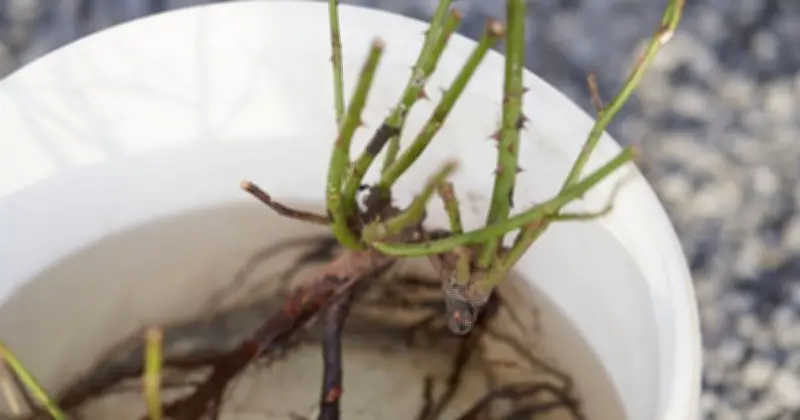
Bare-root roses are generally available to buy between November and March. Unlike container-grown roses, bare-root varieties are lifted from the ground while dormant, with little or no soil around their roots. They are often cheaper than container-grown roses and are a great way to fill any space in large borders.
How to plant roses successfully
The RHS recommends planting bare-root roses now, but gardeners should avoid doing so when the ground is frozen or waterlogged, as these conditions can make it difficult for roses to establish. It's also important not to plant them where roses have previously grown because of the risk of replant disease, also known as rose sickness.
Choosing the right position is one of the most important steps when planting this flower. The RHS recommends selecting a sunny spot with free-draining soil that does not dry out completely during summer. Roses need about four hours of sunlight each day, and they should be sheltered from particularly windy areas.
Before planting, gardeners should improve the soil by incorporating well-rotted organic matter. When planting, dig a hole roughly twice the width of the rose's roots and approximately the depth of a spade's blade. Place the rose in the centre of the hole, ensuring the point where the stem joins the rootstock sits at soil level. The RHS warns that planting this plant too deeply can increase the risk of rose dieback. Make sure to gently firm it in around the roots.
Aftercare for newly planted roses
It's important to water newly planted roses regularly during their first few years, especially in the summer months. A layer of mulch can also help improve the soil and retain moisture. They should also be pruned during their first winter, with the timing and extent of pruning depending on the rose type.