
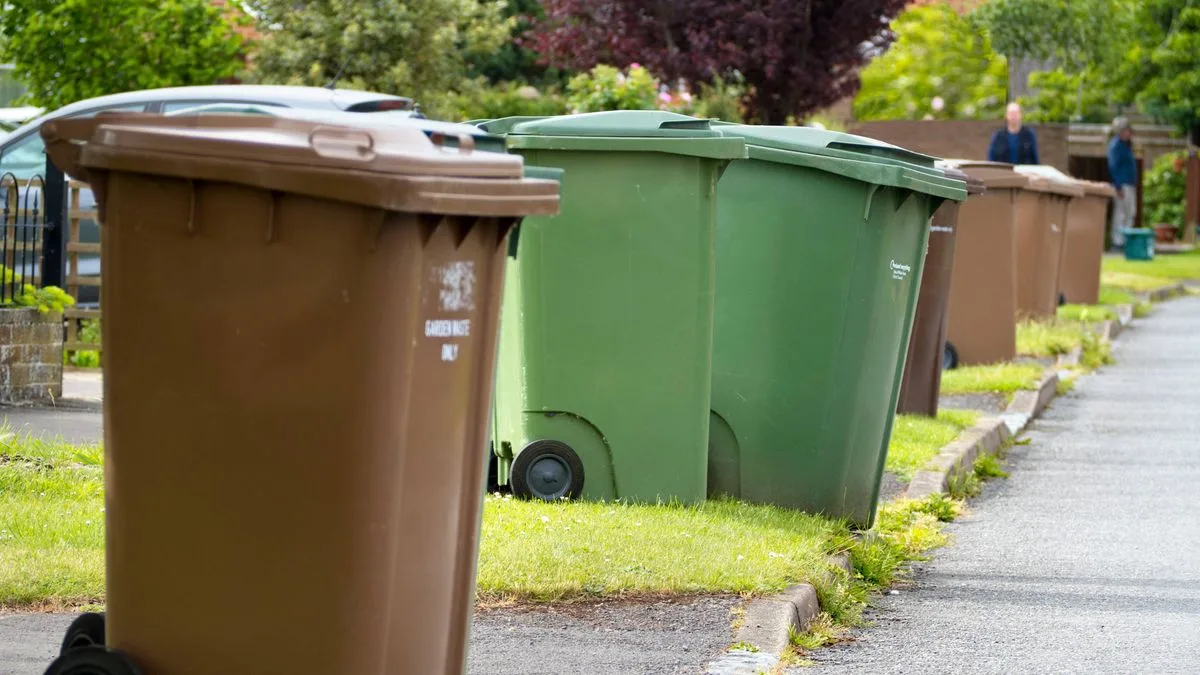
From March 31, households in England will face new waste collection rules requiring at least four separate bins for food waste, garden waste, paper and card, other dry recyclables, and general rubbish. The government's Simpler Recycling scheme aims to standardise collections across the country, ending the current 'postcode lottery' where different councils collect different materials.
Under the new rules, certain items are banned from recycling bins, with fines of up to £400 for non-compliance. The Department for Environment, Food and Rural Affairs (Defra) has identified six categories of items that must be kept out of recycling: glass, metal, plastic, paper and card, food waste, and garden waste. Notably, any glass not used as packaging, and any plastic packaging or non-packaging items labelled as 'compostable' or 'biodegradable' (including coffee pods) are not to be collected. Food waste caddy liners, however, can be collected.
Legal expert Gary Rycroft, appearing on BBC Morning Live, advised residents to check with their local councils for specific rules. He emphasised that while the £400 fine is a concern, existing regulations on bin use—such as not overfilling bins or leaving them on the pavement too long—already carry penalties. The new rules simply add more categories for separation.
Defra stated: 'We will make recycling easier: citizens will be able to recycle the same materials across England, whether at home, work or school, and will no longer need to check what is accepted for recycling in their local area.' The scheme is designed to reduce confusion and increase recycling rates.




