In an exclusive revelation, a UK-based super vet has been making waves in global conservation by providing free medical scans to a menagerie of endangered animals, ranging from majestic leopards to quirky penguins. Mark Straw, who operates the Beechwood Veterinary Hospital in Doncaster, has turned his practice into a hub for wildlife rescue, leveraging advanced technology to aid species on the brink.
A Bizarre and Noble Client List
Mark Straw's veterinary practice boasts an extraordinary roster of patients that reads like a wildlife documentary. Over the years, he has scanned and treated a diverse array of creatures, including a leopard, baboon, lion, polar bear, penguin, and even a cloudrat. This unusual clientele stems from his decade-long commitment to conservation, which began when he first offered his state-of-the-art, half-million-pound scanner to the Yorkshire Wildlife Park.
From Sea Turtles to Cloudrats: Life-Saving Diagnoses
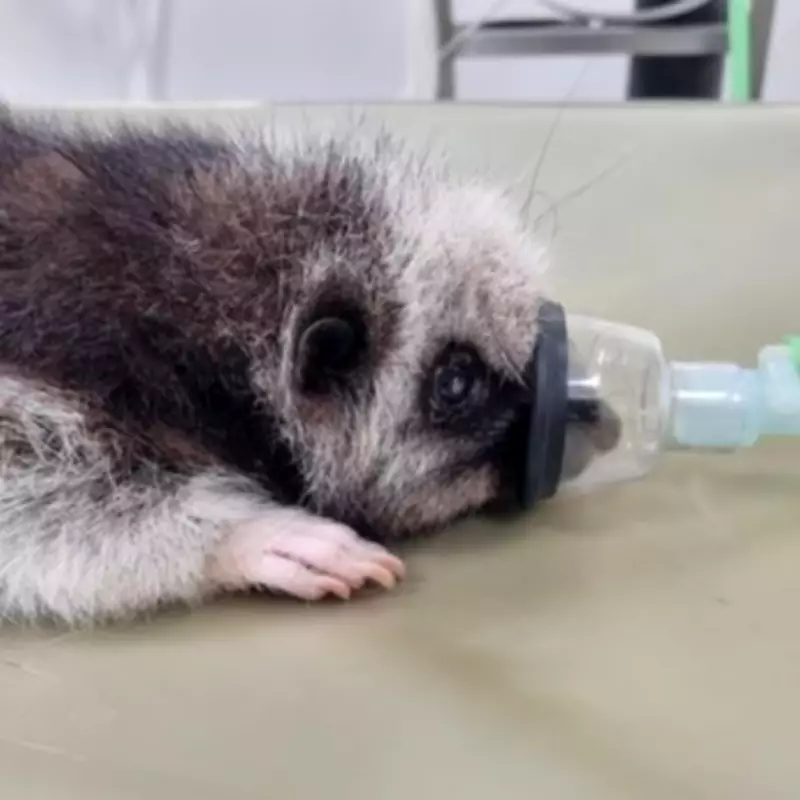
Straw's work has led to critical breakthroughs in animal health. In one notable case, a scan revealed that a sea turtle was full of eggs, prompting her relocation to a centre with a beach where she could safely lay them. Another success involved a cloudrat diagnosed with an infected uterus, which required a hysterectomy and ultimately led to a full recovery. These interventions highlight the vital role of advanced diagnostics in wildlife preservation.

The Smelly Side of Conservation
Not all moments are glamorous, as Straw humorously recalls. The penguin, in particular, left a lasting impression—literally. "I think the thing that amused us about the penguin was the length of time the smell stayed in the building," he said. "If you imagine a really rotten fish market, that's what penguins smell like. It took a couple of days to air the room." Despite the olfactory challenges, Straw emphasizes that there is rarely a dull moment in his work.
Contributing to a Global Knowledge Bank
Straw's efforts extend beyond individual treatments; they are building a valuable repository of data for the global zoo community. Many of the CT scans he performs are unprecedented, creating a bank of information that other zoos worldwide can access. For instance, a post-mortem scan of a giraffe foot uncovered multiple breaks and arthritis, providing insights that now help manage giraffe populations in captivity.
Foot disease is a common issue for giraffes, Straw explained, noting that research is ongoing to replicate their natural sandy habitats in captive environments. This anatomical fascination drives his work, as he marvels at the complexity of animals like leopards and baboons, whose teeth appear "incredible" on scans.
A Privilege and an Honor
For Straw, the opportunity to work closely with such remarkable animals is a profound privilege. "I'm always fascinated with anatomy, and to be able to see inside the animal with a CT scan is fascinating," he said. "It's a privilege to be able to get up close to and touch amazing animals and help them." His services are provided free of charge to the Yorkshire Wildlife Park and the International Zoo Veterinary Group (IZVG), underscoring his dedication to conservation over profit.
Advancing Veterinary Science for Conservation
Straw reflects on the evolution of veterinary practices over the past 30 years, noting that advancements now allow for more comprehensive care for both domestic and exotic animals. The human-grade scanner used in his practice has been a "godsend," enabling diagnoses that were previously impossible. For example, a recent scan of a dog's leg produced 8,000 images, showcasing the machine's precision.
"It is special getting up close to animals that you would only ever see on David Attenborough," Straw remarked. "I think being able to touch them and handle them, admittedly when they're asleep, is incredible. But it's also knowing that without the facilities and the services that we offer, these animals wouldn't get that level of diagnostic intervention."
Ultimately, Straw's work is driven by a deep sense of pride in contributing to animal welfare and conservation. By offering free scans, he ensures that endangered species receive the care they need, supporting global efforts to preserve biodiversity for future generations.